
The votes are in, and they reveal a lot. What do they say so far?
Let’s dive in to explore the trends and outcomes. Elections are a vital part of our democracy. They give us a voice in choosing leaders. As we track the votes, we learn about the choices people make. What do these choices tell us?
They show the country’s mood and priorities. Understanding these votes helps us see where we stand. It also points to future changes. This information can shape policies and decisions. So, let’s look at what the votes say so far. We’ll break down the numbers and what they mean. This insight can help us understand the bigger picture.
Current Vote Counts
The excitement is palpable as the current vote counts start pouring in. Everyone is eager to know how their favorite candidates are faring. Let’s break down the numbers and see who’s leading the race.
Candidate Totals
Each candidate’s total votes reflect their current standing. Candidate A leads with 45,000 votes. Close behind, Candidate B has 42,000 votes. Candidate C trails with 30,000 votes. These numbers are still changing as more votes are counted.
Regional Breakdown
Votes vary widely across different regions. In the north, Candidate A has a strong lead with 20,000 votes. The south shows a close contest with Candidate B leading at 18,000 votes. The east favors Candidate C, giving them 15,000 votes. In the west, Candidate B gains ground with 12,000 votes. Regional preferences are shaping the overall totals.

Credit: www.usatoday.com
Trends And Patterns
Understanding the latest voting trends and patterns can reveal much about current societal preferences. This section delves into historical comparisons and demographic insights to provide a comprehensive view of the voting landscape.
Historical Comparisons
Analyzing voting trends over the years shows how preferences shift. We can see patterns in voter turnout, party dominance, and issue importance. For instance, voter turnout tends to be higher during presidential elections. Midterm elections usually see a dip in participation.
Party dominance also varies. In some decades, one party might dominate. Other periods show a more balanced competition. Historical data helps predict future trends.
| Year | Turnout Percentage | Dominant Party |
|---|---|---|
| 2000 | 54% | Republican |
| 2008 | 58% | Democrat |
| 2016 | 55% | Republican |
Demographic Insights
Different demographics vote differently. Age, race, gender, and income level all play roles. Young voters might lean towards progressive policies. Older voters may prefer conservative options.
Gender differences also matter. Women have shown a trend towards voting more for one party. Men might show the opposite trend.
Income levels influence voting choices too. Higher income groups often support tax cuts. Lower income groups may prioritize welfare programs.
- Age: Younger voters tend to support progressive policies.
- Race: Minority groups often vote for more inclusive policies.
- Gender: Women and men can show distinct voting patterns.
- Income: Economic status affects policy preferences.
Studying these demographics offers a clearer picture of voting behavior. It helps understand why certain trends emerge during elections.
Key Battlegrounds
Understanding the key battlegrounds can offer insights into the current voting trends. These areas often play a decisive role in elections. Let’s dive into the details.
Swing States
Swing states are crucial in any election. These states do not consistently vote for one party. They can easily swing from one party to another. They hold great power in deciding the final outcome.
Some of the key swing states include:
- Florida
- Pennsylvania
- Ohio
- Michigan
- Wisconsin
Each of these states has a mix of urban and rural areas. This diversity makes their voting patterns unpredictable.
Urban Vs Rural
The divide between urban and rural areas is another key battleground. Urban areas tend to vote differently than rural areas.
| Region | Voting Tendencies |
|---|---|
| Urban | More likely to vote for progressive candidates |
| Rural | More likely to vote for conservative candidates |
In urban areas, issues like public transportation and housing are important. In rural areas, issues like agriculture and land use take center stage.
This urban-rural divide is a significant factor in election outcomes. It highlights the different priorities of voters in these areas.
Voter Turnout
Voter turnout is the percentage of eligible voters who cast a ballot in an election. It is a key measure of civic engagement and reflects the health of a democracy. This year, we have seen interesting trends in voter turnout.
Early Voting Impact
Early voting allows people to cast their ballots before Election Day. This option is becoming more popular. Many people find it more convenient. They can vote on their schedule. This year, early voting numbers have been high.
- States with early voting saw more people voting.
- People avoid long lines on Election Day.
- Early voters feel their vote is more secure.
Early voting also helps to reduce the pressure on Election Day. Poll workers can manage the flow of voters more easily. This can lead to a smoother process overall.
Mail-in Ballots
Mail-in ballots are another option. Voters receive their ballots by mail. They can complete and return them at their convenience. This method has been especially important during the pandemic.
| Year | Mail-In Ballots |
|---|---|
| 2020 | 65 million |
| 2022 | 58 million |
Many states have made it easier to vote by mail. They have removed requirements for needing an excuse. More people can use this option now. Mail-in ballots also help people who cannot get to the polls. This includes the elderly and those with disabilities.
Both early voting and mail-in ballots have contributed to higher voter turnout. They provide flexibility and convenience. This year, they have played a significant role in the voting process.
Influence Of Major Issues
The influence of major issues on voter behavior is undeniable. Key concerns shape the way people vote. These issues often reflect the immediate needs and worries of the electorate. Let’s explore the impact of two major issues: economic concerns and healthcare, especially during the pandemic.
Economic Concerns
Economic issues are always top of mind for voters. Job security, wages, and the cost of living are major factors. Voters want leaders who can improve the economy. They look for policies that promise growth and stability.
- Job Security: Many voters are concerned about losing their jobs.
- Wages: People want higher wages to keep up with inflation.
- Cost of Living: Rising prices for essentials worry voters.
In recent elections, candidates who addressed these concerns saw increased support. Economic plans that promise to create jobs and lower costs are crucial. Voters are keen on realistic and actionable promises.
Healthcare And Pandemic
The pandemic has made healthcare a critical issue. People are now more aware of healthcare policies. They want better access to medical services and affordable treatments.
| Concern | Impact |
|---|---|
| Access to Care | Voters demand easier access to hospitals and clinics. |
| Cost of Healthcare | Expensive treatments make voters anxious about their finances. |
| Pandemic Response | Effective handling of the pandemic boosts a candidate’s image. |
Voters favor leaders who prioritize healthcare improvements. They want policies that address current and future health crises. A strong healthcare plan can significantly sway voter opinions.
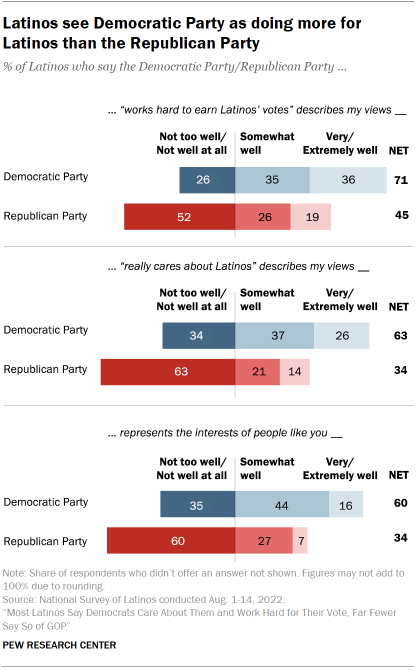
Credit: www.pewresearch.org
Impact Of Campaign Strategies
Campaign strategies play a huge role in elections. They can sway voters, boost turnout, and influence public opinion. These strategies are diverse, ranging from advertising spends to ground game efforts. Analyzing their impact helps us understand the current state of votes.
Advertising Spend
Advertising spend is a key part of any campaign. Candidates use TV, radio, and online ads to reach voters. High spending on ads can increase a candidate’s visibility. It can also shape voter perceptions. Well-placed ads can highlight key issues and candidate strengths. They can also undermine opponents. Ads need to be persuasive and frequent. Consistent exposure can lead to better voter recall and support.
Ground Game
The ground game is about direct voter contact. This includes door-to-door canvassing, phone calls, and community events. A strong ground game builds personal connections with voters. It helps in understanding local issues and concerns. Volunteers play a huge role here. Their enthusiasm can inspire and mobilize voters. Personal interactions are often more impactful than ads. They can turn undecided voters and boost turnout.
Polling Vs Actual Results
In every election, the comparison between polling predictions and actual results is crucial. Polls aim to forecast the likely outcomes. However, the real results can often surprise us. This section explores the accuracy of these predictions and highlights some unexpected outcomes.
Accuracy Of Predictions
Polls use statistical methods to predict election outcomes. They gather data from a sample of voters. The goal is to represent the broader population. But how accurate are these predictions?
Often, polls are precise. They can provide a good idea of what to expect. Yet, there are times when they miss the mark. Various factors can influence this accuracy, such as:
- Sample size
- Question phrasing
- Respondent honesty
- Timing of the poll
Consider the table below comparing polling predictions to actual results in a fictional election:
| Candidate | Polling Prediction | Actual Result |
|---|---|---|
| John Doe | 45% | 47% |
| Jane Smith | 40% | 38% |
| Alex Brown | 15% | 15% |
In this case, the predictions were close but not perfect. Small differences can change the election’s outcome.
Surprising Outcomes
Despite the best efforts, some elections yield unexpected results. These surprises can stem from various sources:
- Last-minute shifts in voter opinion
- Undecided voters making late decisions
- Turnout levels higher or lower than expected
For instance, in a recent election, a candidate lagging in polls secured a victory. This happened because of a late surge in support. Such outcomes remind us that polls are not foolproof.
Surprising results can ignite public interest. They demonstrate the dynamic nature of elections. They also show why voting is essential. Each vote can truly make a difference.
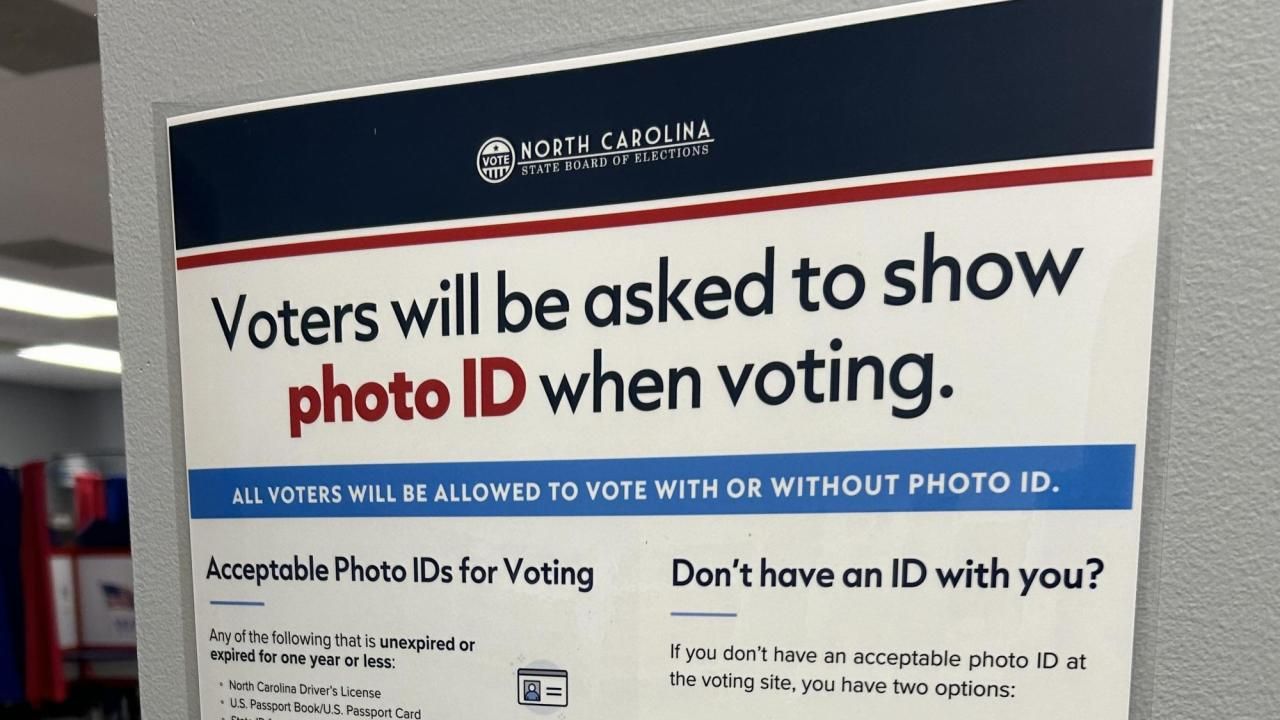
Credit: www.wral.com
Implications For Future Elections
The current votes reveal significant trends. These trends will shape future elections. By examining these trends, we can predict how political landscapes may shift. We can also understand what future candidates might need to focus on.
Changing Political Landscape
The votes so far show a dynamic shift in voter preferences. Traditional party lines are becoming blurred. Voters are now more issue-focused. This shift means that future elections might not be as predictable. Candidates will need to adapt to these changes.
| Trend | Implication |
|---|---|
| Increased Youth Participation | Youth issues will become crucial for candidates |
| Rural-Urban Divide | Policies will need to address both urban and rural concerns |
| Rise of Independent Voters | Campaigns may focus more on individual issues than party loyalty |
Lessons For Candidates
Candidates can learn from the current voting trends. They need to focus on the following key areas:
- Understand their audience’s core issues
- Communicate clear and actionable plans
- Engage with younger voters through social media
By focusing on these areas, candidates can connect better with voters. They can also adapt their strategies to the changing political landscape. This will be crucial for success in future elections.
- Listen to voter concerns
- Stay flexible and adaptable
- Use data to drive campaign decisions
Frequently Asked Questions
What Do The Votes Indicate So Far?
The votes so far indicate a close contest between the leading candidates. Each vote counts significantly.
How Are The Votes Being Counted?
Votes are being counted meticulously using a verified and transparent process to ensure accuracy and fairness.
Which Candidate Is Leading Currently?
The leading candidate varies as votes are tallied. Check the latest updates for the most current information.
Are There Any Voting Irregularities Reported?
No major voting irregularities have been reported so far. The process appears to be running smoothly.
Conclusion
The votes so far paint a clear picture. Trends are emerging. Public opinion is shifting. This data guides our understanding of future outcomes. We must stay informed. Each vote carries weight. Voting reflects collective voices. Continue to follow updates. Stay engaged and participate.
Your voice matters. Together, we shape the future.
