
Shopify and Squarespace are popular website builders. Both help businesses create online stores.
Choosing the right platform can be challenging. Shopify and Squarespace serve different needs, and understanding their differences is crucial. Shopify specializes in e-commerce, offering robust tools for online selling. Squarespace focuses on design and flexibility, making it a great choice for creative websites.
Knowing what each platform offers will help you decide which suits your business best. In this post, we will explore the key differences between Shopify and Squarespace. This will help you make an informed decision and choose the right platform for your needs.
Introduction To Shopify And Squarespace
Choosing the right platform for your online store is crucial. Two popular options are Shopify and Squarespace. Both offer unique features, but they cater to different needs and audiences. Let’s dive into an introduction to these two platforms.
Brief Company Background
Shopify was founded in 2006 in Canada. It started as an eCommerce solution for small businesses. Today, it powers over a million businesses worldwide. Shopify is known for its strong eCommerce capabilities.
Squarespace began in 2003 in the United States. It started as a website builder. Now, it offers eCommerce solutions, but its core remains in creating beautiful websites. Squarespace emphasizes design and usability.
Target Audience
Shopify targets businesses that focus on online sales. It’s ideal for those looking for robust eCommerce features. This includes inventory management, payment gateways, and shipping options. It’s great for small to large businesses.
Squarespace targets creatives and those wanting a visually appealing site. It’s perfect for artists, photographers, and small business owners. Those who need a simple eCommerce solution will also find it useful. Squarespace users value design and aesthetics.
| Feature | Shopify | Squarespace |
|---|---|---|
| Primary focus | eCommerce | Website design |
| Best for | All sizes of businesses | Creatives and small businesses |
| Founded in | 2006 | 2003 |
| Country | Canada | United States |
Pricing Plans
When comparing Shopify and Squarespace, pricing plans are a crucial factor. Both platforms offer various pricing tiers to suit different business needs. Understanding these costs can help you choose the right platform for your online store.
Monthly Subscription Costs
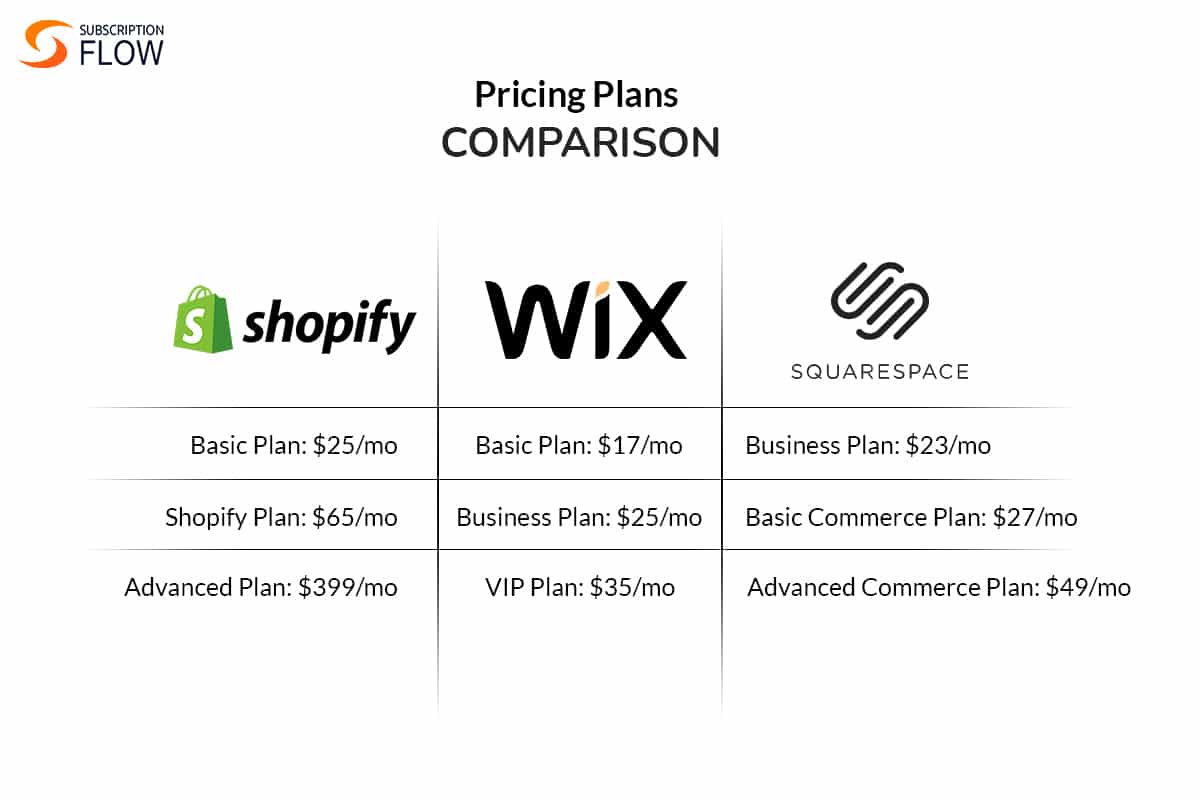
Shopify offers three main subscription plans. Basic Shopify costs $29 per month. The Shopify plan is $79 per month. Advanced Shopify is $299 per month. Each tier provides more features and benefits.
Squarespace also has three primary plans. The Personal plan costs $16 per month. The Business plan is $26 per month. The Basic Commerce plan costs $35 per month. Each plan includes different levels of functionality and support.
Additional Fees
Shopify has transaction fees for each sale. These fees vary by plan. Basic Shopify charges 2.9% + 30¢ per transaction. The Shopify plan charges 2.6% + 30¢ per transaction. Advanced Shopify charges 2.4% + 30¢ per transaction. Using Shopify Payments can reduce these fees.
Squarespace includes all transaction fees in their pricing. The Business plan has a 3% transaction fee. The Basic Commerce plan has no transaction fees. This makes it easier to predict your monthly costs.
Design And Themes
When building an online store or website, design and themes play a crucial role. Both Shopify and Squarespace offer a range of design options. This section will explore the differences in theme variety and customization options between Shopify and Squarespace.
Theme Variety
Shopify offers over 70 professional themes, both free and paid. These themes are designed by industry experts. They cater to various industries, such as fashion, electronics, and beauty.
Squarespace provides around 100 themes. These themes are visually stunning and known for their sleek, modern design. They are ideal for portfolios, blogs, and small businesses.
| Platform | Number of Themes | Industry Focus |
|---|---|---|
| Shopify | 70+ | Various (fashion, electronics, beauty) |
| Squarespace | 100 | Modern, sleek designs |
Customization Options
Shopify themes are highly customizable. The drag-and-drop editor makes it easy to change elements. You can also use HTML and CSS for more advanced customization.
Squarespace offers robust customization tools. The Style Editor lets you adjust fonts, colors, and spacing. Advanced users can use custom CSS for deeper design changes.
- Shopify
- Drag-and-drop editor
- HTML and CSS customization
- Squarespace
- Style Editor
- Custom CSS
Both platforms offer powerful design tools. Your choice depends on your design needs and technical skills.
Credit: statrys.com
Ease Of Use
When choosing a platform for your online store or website, ease of use is a crucial factor. Both Shopify and Squarespace offer user-friendly interfaces, but there are key differences. This section will break down the user interface and learning curve for each platform.
User Interface
Shopify’s interface is designed for e-commerce. The dashboard is clean and simple. You can easily navigate through the options. Adding products, managing inventory, and checking orders are straightforward tasks.
Squarespace has a visually appealing interface. It is perfect for creative websites. The design options are more extensive. You can easily drag and drop elements to build your site. The layout is intuitive, making it easy for beginners.
Learning Curve
Shopify has a gentle learning curve. It is ideal for those new to e-commerce. The platform provides clear guidance. Tutorials and support are readily available. You can get your store up and running quickly.
Squarespace also has a manageable learning curve. It is slightly steeper than Shopify’s. It offers extensive design options. You may need some time to explore all features. Plenty of tutorials and customer support help ease the process.
| Feature | Shopify | Squarespace |
|---|---|---|
| User Interface | Clean, Simple, E-commerce Focused | Visually Appealing, Creative Focused |
| Learning Curve | Gentle, Quick to Start | Manageable, Slightly Steeper |
E-commerce Features
Choosing the right platform for your online store is crucial. Shopify and Squarespace both offer unique e-commerce features. Understanding these features helps you make the right choice for your business. This section will focus on e-commerce features, specifically product management and payment gateways.
Product Management
Shopify offers a robust product management system. You can easily add, edit, and organize products. It supports unlimited products and inventory tracking. The platform also includes bulk product import, making it easy to manage large inventories. You can categorize products using tags and collections, simplifying navigation for customers.
Squarespace also provides strong product management features. You can add and edit products with ease. It supports a variety of product types, including physical, digital, and services. Squarespace allows you to create product categories and tags. It also supports limited inventory tracking and bulk product import.
Payment Gateways
Shopify supports over 100 payment gateways. This includes popular options like PayPal, Stripe, and Apple Pay. It also supports international payment methods, making it suitable for global businesses. Shopify handles all payment processing, ensuring secure transactions.
Squarespace offers fewer payment gateway options. It supports PayPal, Stripe, and Square. This may limit options for some businesses. Squarespace also manages payment processing to ensure secure transactions. Both platforms offer secure payment processing but differ in the number of supported gateways.
Marketing Tools
Choosing between Shopify and Squarespace can be challenging, especially when considering their marketing tools. Both platforms offer a range of features to help you grow your online store. Let’s delve into their marketing tools with a focus on SEO capabilities and Email marketing.
Seo Capabilities
Both Shopify and Squarespace offer robust SEO tools to help your site rank higher in search results. They include features such as:
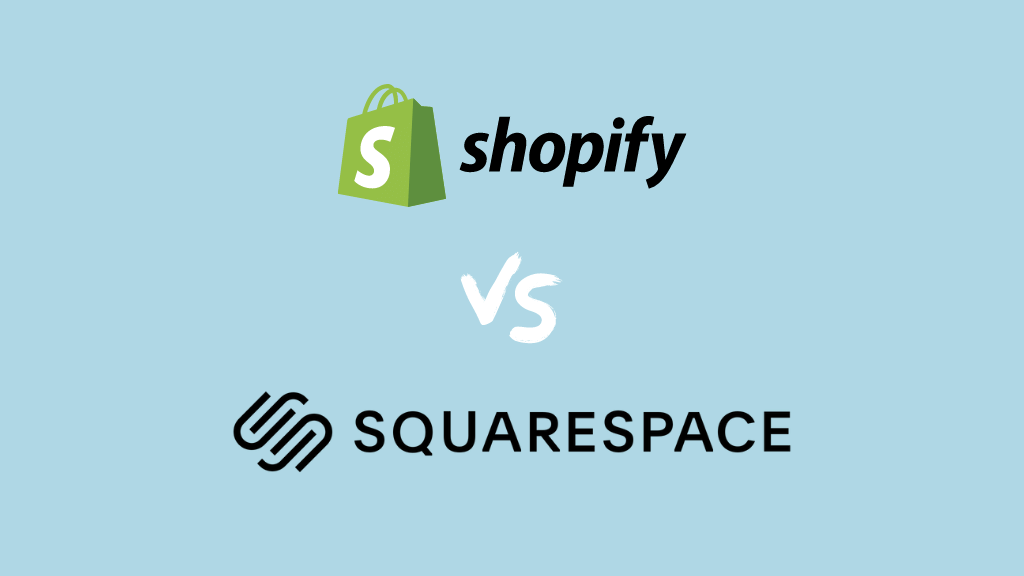
- Customizable title tags and meta descriptions
- Alt text for images
- Clean URLs
- XML sitemaps
Shopify has a slight edge with its built-in SEO app store, offering more plugins to enhance your site’s search visibility. Squarespace, on the other hand, provides comprehensive SEO guides to help you optimize your site. Both platforms ensure your site is mobile-friendly, which is critical for SEO.
Email Marketing
Email marketing is a powerful tool to engage with your customers. Shopify and Squarespace both offer built-in and third-party integrations.
| Feature | Shopify | Squarespace |
|---|---|---|
| Built-in Email Campaigns | Shopify Email | Squarespace Email Campaigns |
| Third-party Integrations | Mailchimp, Klaviyo, etc. | Mailchimp, Constant Contact, etc. |
Shopify Email allows you to create and send branded emails directly from your store. It offers a variety of templates and analytics. Squarespace Email Campaigns integrates seamlessly with your website, allowing you to use your existing content for emails. Both platforms support automated email campaigns, helping you stay connected with your customers.
Integrations And Apps
When choosing an e-commerce platform, it’s crucial to consider integrations and apps. They can enhance your website’s functionality and user experience. Both Shopify and Squarespace offer various integrations and apps. Let’s explore how they compare.
Third-party Apps
Shopify boasts an extensive app store with over 6,000 apps. These apps cater to diverse needs such as marketing, sales, and customer support. Popular apps include Oberlo, Mailchimp, and QuickBooks. This variety allows businesses to customize their store extensively.
Squarespace, on the other hand, has a smaller selection of third-party integrations. Their extensions library contains around 20-30 apps. While limited, these apps cover essential functions like shipping, accounting, and social media. Some popular integrations include ShipStation, Xero, and Instagram.
| Platform | Number of Apps | Popular Apps |
|---|---|---|
| Shopify | 6,000+ | Oberlo, Mailchimp, QuickBooks |
| Squarespace | 20-30 | ShipStation, Xero, Instagram |
Api Access
API access is another critical factor. It allows developers to create custom integrations. Shopify offers robust API access. This enables developers to build custom solutions and integrate with any service. The well-documented API includes resources for products, orders, and customers.
Squarespace also provides API access but is more limited. Their API focuses on basic functions like product management and order tracking. This can be restrictive for businesses with complex needs.
In summary, Shopify excels in both the quantity and flexibility of integrations and apps. Squarespace provides essential tools but may lack for advanced users. Consider your specific needs when deciding.
Credit: www.stylefactoryproductions.com
Customer Support
Customer support is crucial for any e-commerce platform. Both Shopify and Squarespace offer support to help users navigate their platforms. Let’s explore the customer support options available for these platforms under the headings of Support Channels and Response Times.
Support Channels
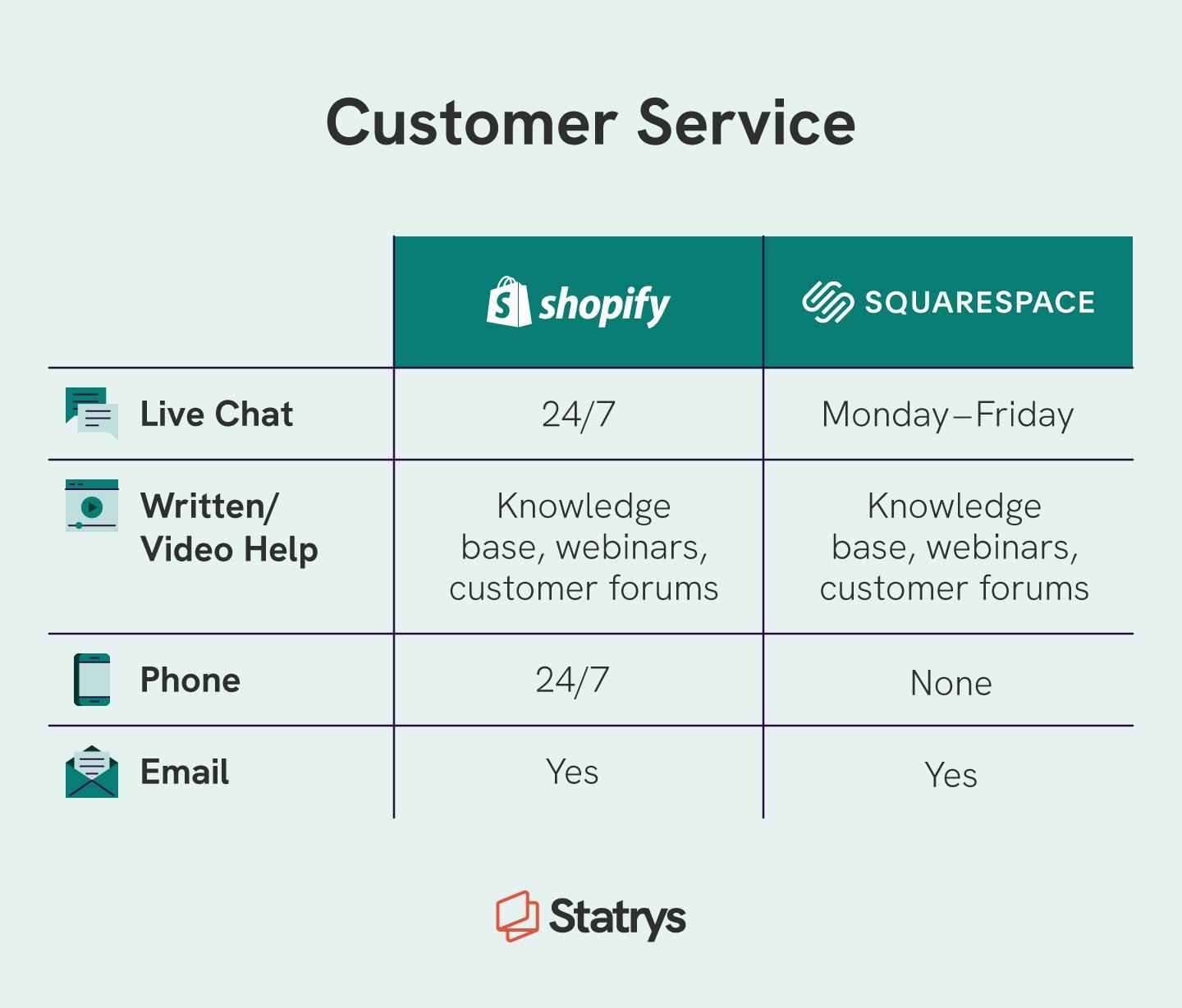
Shopify provides various support channels. Users can reach out via email, live chat, and phone. There is also a detailed help center. This includes tutorials and community forums.
Squarespace also offers multiple support channels. Users can get help through email and live chat. They also have a comprehensive help center. It includes guides and a community forum.
Response Times
Shopify boasts fast response times. Live chat and phone support are available 24/7. Email responses are usually quick, often within a few hours.
Squarespace has slightly longer response times. Live chat is available from Monday to Friday. Email support is generally responsive, but it may take up to 24 hours.
Pros And Cons
Choosing between Shopify and Squarespace can be tough. Both platforms offer unique advantages. Understanding their pros and cons can help you decide which one suits your needs best. Let’s dive into the benefits and drawbacks of each platform.
Advantages Of Shopify
Shopify excels in e-commerce. It offers a powerful suite of tools. You can manage your inventory easily. Shopify supports a vast range of payment gateways. This flexibility can boost your sales. It also provides excellent customer support. You can reach out 24/7 for help. Shopify’s app store is extensive. You can find tools for almost any task. This makes customization straightforward. Security is another strong point. Shopify ensures your store and customer data stay safe.
Advantages Of Squarespace
Squarespace shines with its stunning templates. You can create beautiful websites without coding. The drag-and-drop editor is user-friendly. You can build your site quickly. Squarespace offers integrated e-commerce features. It’s great for small to medium stores. Hosting is included with all plans. You don’t need a separate hosting provider. Customer support is reliable. You can get help when you need it. SEO tools are built-in. This can help improve your site’s visibility. Squarespace also supports blogging well. You can easily add and manage blog posts.
Credit: www.subscriptionflow.com
Frequently Asked Questions
What Are Shopify And Squarespace?
Shopify and Squarespace are website-building platforms. Shopify specializes in e-commerce solutions. Squarespace excels in stunning, customizable templates for any website type.
Which Is Better For E-commerce, Shopify Or Squarespace?
Shopify is better for e-commerce. It offers advanced features, multiple payment gateways, and robust inventory management.
Are Shopify And Squarespace Easy To Use?
Both platforms are user-friendly. Shopify has a steeper learning curve due to its advanced features. Squarespace offers drag-and-drop simplicity.
Do Shopify And Squarespace Offer Customer Support?
Yes, both provide customer support. Shopify offers 24/7 support via chat, email, and phone. Squarespace offers 24/7 email support and live chat during weekdays.
Conclusion
Shopify and Squarespace both offer unique features for your online store. Shopify excels in e-commerce tools and scalability. Squarespace shines with its design flexibility and ease of use. Your choice depends on your business needs. Consider your priorities and budget.
Evaluate the specific features you require. Each platform has its strengths. Both can help you build a successful online presence. Choose the one that aligns best with your goals. Happy building!
