

In the world of digital marketing, SEO is crucial. It helps your website rank higher on search engines.
SEO optimization techniques can boost your online presence significantly. These techniques include keyword research, on-page optimization, link building, and more. By using the right strategies, you can improve your website’s visibility and attract more visitors. This blog will explore various SEO optimization techniques to help you enhance your site’s performance.
Whether you’re a beginner or looking to refine your skills, these tips will guide you through the essentials of SEO. Let’s dive in and unlock the potential of your website with effective SEO practices.
Introduction To Seo Optimization Techniques
SEO optimization techniques are crucial for anyone wanting to enhance their online presence. By implementing effective strategies, you can improve your website’s visibility and attract more traffic. Let’s dive into some key aspects of SEO optimization.

What Is Seo And Why Does It Matter
SEO, or Search Engine Optimization, is the practice of optimizing your website to rank higher in search engine results. It involves various strategies and techniques to make your site more attractive to search engines like Google.
Why does SEO matter? A well-optimized website appears on the first page of search results. This visibility brings more visitors, which can lead to higher engagement and conversions. SEO is essential for driving organic traffic to your site.
“SEO is not about gaming the system anymore; it’s about learning how to play by the rules.”-Bruce Clay
The Goal Of Seo: Boosting Website Rankings
The primary goal of SEO is to improve your website’s ranking on search engines. Here are some key strategies to achieve this:
- Keyword Research: Identify relevant keywords that potential visitors search for.
- On-Page Optimization: Optimize your website’s content and meta tags with target keywords.
- Quality Content: Create informative, engaging, and valuable content for your audience.
- Backlinks: Obtain high-quality backlinks from reputable websites to increase authority.
- Technical SEO: Ensure your website is technically sound with fast loading speeds and mobile-friendliness.
By focusing on these techniques, you can significantly boost your website’s rankings and attract more organic traffic.
Using a tool like Writecream can streamline your SEO efforts. Writecream offers features like an AI article writer, a long-form editor, and digital ad copy tools. These features help you generate high-quality content quickly and efficiently, making it easier to implement effective SEO strategies.
| Main Features | Benefits |
|---|---|
| AI Article Writer | Generates a 1,000-word article in 30 seconds |
| Long Form Editor | Includes features like Summarize, Expand, Rewrite, and a plagiarism checker |
| Voice-overs | Human-sounding voice-overs for YouTube videos and podcasts |
| Digital Ads Copy | Tools for creating Facebook, Google, and Instagram ads |
| Cold Outreach | Personalized introductions for emails and LinkedIn outreach |
By leveraging these tools and techniques, you can enhance your SEO strategy, improve your website’s ranking, and attract more visitors.
On-page Seo Techniques
On-page SEO refers to the practice of optimizing web pages to rank higher in search engines. This includes content, meta tags, and internal links, among other elements. The goal is to make your site more appealing to both users and search engines. Below, we will delve into some crucial on-page SEO techniques.
Keyword Research And Optimization
Effective keyword research is the backbone of any successful SEO strategy. Begin by identifying relevant keywords that your target audience is searching for. Use tools like Writecream, Google Keyword Planner, or Ahrefs to find the right keywords.
- Focus on long-tail keywords: They are less competitive and often more specific.
- Analyze search intent: Understand what users are looking for when they search for a keyword.
- Optimize your content: Include keywords naturally in your titles, headings, and throughout the body of your content.
Creating High-quality Content
High-quality content is essential for engaging your audience and improving your SEO rankings. Here are some tips to create content that stands out:
- Focus on user intent: Make sure your content answers the questions your audience is asking.
- Use Writecream’s AI Article Writer: Generate high-quality, 1,000-word articles in just 30 seconds.
- Incorporate multimedia: Use images, videos, and infographics to make your content more engaging.
- Regular updates: Keep your content fresh and up-to-date to maintain its relevance.

Credit: appsumo.com
Optimizing Meta Tags And Descriptions
Meta tags and descriptions play a crucial role in on-page SEO. They help search engines understand the content of your page and improve click-through rates.
- Title Tags: Include your primary keyword in the title tag. Keep it under 60 characters.
- Meta Descriptions: Write compelling descriptions that encourage users to click. Include your primary keyword and keep it under 160 characters.
- Header Tags: Use H1, H2, and H3 tags to structure your content and include relevant keywords.
The Importance Of Internal Linking
Internal linking is the process of linking to other pages within your website. This helps search engines understand the structure of your site and improves user navigation.
- Distribute link equity: Spread the link juice across your site to improve the ranking of important pages.
- Enhance user experience: Make it easier for users to find related content.
- Use descriptive anchor text: Ensure the anchor text includes relevant keywords to provide context to search engines.
By implementing these on-page SEO techniques, you can significantly enhance your website’s visibility and performance. Tools like Writecream can assist in generating high-quality content quickly, making your SEO efforts more efficient and effective.
Off-page Seo Techniques
Off-page SEO techniques help improve your website’s ranking beyond your site. They focus on gaining trust and authority from external sources. Let’s explore some vital off-page SEO strategies.
Building High-quality Backlinks
Backlinks are crucial for off-page SEO. They signal to search engines that your content is valuable. Aim to get backlinks from authoritative sites in your niche. Use tools to find backlink opportunities and track your progress.
- Guest posts on reputable blogs
- Collaborate with influencers
- Submit to industry directories
Leveraging Social Media For Seo
Social media can boost your SEO efforts. Sharing your content on social platforms increases its visibility. This can lead to more backlinks and traffic.
- Share blog posts on Facebook, Twitter, and LinkedIn
- Engage with your audience through comments and shares
- Use relevant hashtags to reach a broader audience
Guest Blogging And Outreach
Guest blogging is a powerful off-page SEO strategy. Write high-quality articles for other blogs in your niche. This helps you get backlinks and reach a new audience.
Outreach involves contacting bloggers and influencers. Build relationships with them to get your content shared. Use personalized emails to increase your success rate.
- Identify blogs that accept guest posts
- Craft a compelling pitch
- Follow up to maintain relationships
Using these off-page SEO techniques can boost your website’s authority and rankings. Focus on building quality backlinks, leveraging social media, and engaging in guest blogging and outreach.

Credit: www.linkedin.com
Technical Seo Optimization
Technical SEO optimization is crucial for improving your website’s ranking. It involves tweaking the backend of your site to make it more search engine friendly. This section will cover three key aspects: improving site speed and performance, mobile-friendly website design, and using HTTPS for secure connections.
Improving Site Speed And Performance
Site speed is a critical factor in both user experience and SEO. A fast-loading site keeps visitors engaged and reduces bounce rates. Here are some techniques to improve site speed:
- Optimize images: Compress images without losing quality. Use formats like WebP.
- Enable browser caching: Store static files on the user’s browser to reduce load times.
- Minimize CSS and JavaScript: Remove unnecessary characters and whitespace from code.
- Use a Content Delivery Network (CDN): Distribute your content across multiple servers for faster delivery.
| Technique | Description |
|---|---|
| Image Optimization | Compress images to reduce file size. |
| Browser Caching | Store static files on the user’s browser. |
| Code Minimization | Remove unnecessary characters from CSS and JavaScript. |
| CDN | Use a network of servers to distribute content. |
Mobile-friendly Website Design
With the rise of mobile internet usage, having a mobile-friendly website is essential. Google prioritizes mobile-first indexing, meaning it predominantly uses the mobile version of the content for indexing and ranking. Here are some tips for mobile optimization:
- Responsive Design: Ensure your website adapts to various screen sizes.
- Easy Navigation: Simplify menus and make buttons easily clickable.
- Fast Load Times: Optimize for speed, especially on mobile networks.
- Readable Text: Use larger fonts and concise text for better readability.
Using HTTPS for Secure Connections
Security is a top priority for both users and search engines. Using HTTPS ensures that the data exchanged between your website and users is encrypted. This not only provides a secure browsing experience but also boosts your SEO ranking. Here are the steps to implement HTTPS:
- Obtain an SSL Certificate: Purchase from a trusted provider or use a free option like Let’s Encrypt.
- Install the SSL Certificate: Follow your web host’s instructions for installation.
- Update Internal Links: Ensure all internal links use HTTPS.
- Set Up 301 Redirects: Redirect HTTP traffic to HTTPS to maintain SEO value.
Implementing these technical SEO techniques will enhance your website’s performance and visibility, providing a better user experience and improving search engine rankings.
Local Seo Strategies
Local SEO is essential for businesses that depend on local customers. These strategies help improve visibility in local search results, driving more traffic to your business. Here are some effective techniques to optimize your local SEO.
Optimizing For Google My Business
Google My Business (GMB) is a powerful tool for local SEO. Ensure your GMB profile is complete and accurate. This includes:
- Business name
- Address
- Phone number
- Website URL
- Business hours
- Photos of your business
Use relevant keywords in your business description. Select appropriate categories for your business. Regularly update your GMB profile with new photos and posts. Respond to customer questions and reviews promptly.
Local Keyword Optimization
Identify keywords that local customers use to find businesses like yours. Focus on long-tail keywords that include your location. For example, “best pizza in New York” or “plumber near me”. Include these keywords in:
- Website content
- Meta descriptions
- Title tags
- Headings
- URLs
Use tools like Google Keyword Planner to find local keywords. Ensure your content is natural and engaging, not just keyword-stuffed.
Encouraging Customer Reviews
Positive reviews can significantly impact your local SEO ranking. Encourage satisfied customers to leave reviews on your GMB profile and other review sites like Yelp and TripAdvisor. Here are some ways to get more reviews:
- Ask customers directly after a purchase or service.
- Send follow-up emails with a review request link.
- Offer incentives like discounts for leaving a review.
- Provide excellent customer service to encourage positive feedback.
Respond to reviews, both positive and negative, to show you value customer feedback.
| Local SEO Techniques | Description |
|---|---|
| Google My Business | Complete and update your GMB profile regularly. |
| Local Keyword Optimization | Use location-based keywords in your content. |
| Customer Reviews | Encourage and respond to customer reviews. |
Measuring And Analyzing Seo Success
How well your SEO efforts are performing is crucial. It’s important to measure and analyze SEO success using various tools and techniques. This helps refine strategies and achieve better results.
Using Google Analytics
Google Analytics is a powerful tool that provides insights into your website’s performance. You can track various metrics such as:
- Organic Traffic: Monitor the number of visitors arriving via search engines.
- Bounce Rate: Measure the percentage of visitors who leave after viewing only one page.
- Session Duration: See how long visitors stay on your site.
- Pages per Session: Check the average number of pages viewed during a session.
Analyze these metrics to understand user behavior and improve your SEO strategy.
Tracking Keyword Rankings
Tracking keyword rankings helps you understand how well your site ranks for specific keywords. Use tools like:
- Google Search Console: Provides data on keyword performance and search queries.
- SEMrush: Offers detailed keyword tracking and competitive analysis.
- Ahrefs: Tracks keyword rankings and provides insights into keyword difficulty.
Regularly monitor these metrics to adjust your content and optimize for better rankings.
Analyzing Backlink Profiles
Backlinks are essential for SEO success. Analyzing your backlink profile helps identify valuable links and potential issues. Tools like:
- Ahrefs: Analyzes backlink profiles and provides detailed reports.
- Majestic: Offers insights into the quality and quantity of backlinks.
- SEMrush: Tracks backlinks and identifies toxic links.
Focus on acquiring high-quality backlinks and disavowing harmful ones to improve your site’s authority.
Table Of Key Metrics
| Metric | Tool | Importance |
|---|---|---|
| Organic Traffic | Google Analytics | High |
| Keyword Rankings | SEMrush | High |
| Backlink Profile | Ahrefs | High |
Regularly analyze these metrics to fine-tune your SEO strategy for improved performance.
Common Seo Mistakes To Avoid
SEO optimization is crucial for improving your website’s visibility. But many make common mistakes that hinder their progress. Avoiding these errors can make a significant difference in your SEO results. Let’s explore some of the most frequent mistakes and how to avoid them.
Overstuffing Keywords
Keyword stuffing refers to the practice of overloading a webpage with keywords. This technique was once popular, but now leads to penalties from search engines.
Instead of cramming keywords, use them naturally within the content. Here are some tips to follow:
- Focus on keyword placement rather than frequency.
- Use LSI (Latent Semantic Indexing) keywords for variety.
- Ensure content reads naturally to human readers.
Ignoring Mobile Users
With a significant number of users accessing websites via mobile devices, ignoring mobile optimization is a critical mistake. Google prioritizes mobile-friendly sites in its rankings.
To ensure your site is mobile-friendly:
- Use responsive design to adapt to different screen sizes.
- Optimize images and compress files for faster loading.
- Ensure text is readable without zooming.
Neglecting Content Quality
Content is king in the SEO world. Poor-quality content can hurt your rankings and user engagement.
Here are ways to maintain high content quality:
- Produce original and valuable content for readers.
- Use Writecream to generate high-quality articles quickly.
- Incorporate relevant keywords naturally into your content.
Writecream can help with these tasks by providing tools like the AI Article Writer and Long Form Editor. These tools ensure your content is both engaging and optimized for SEO.
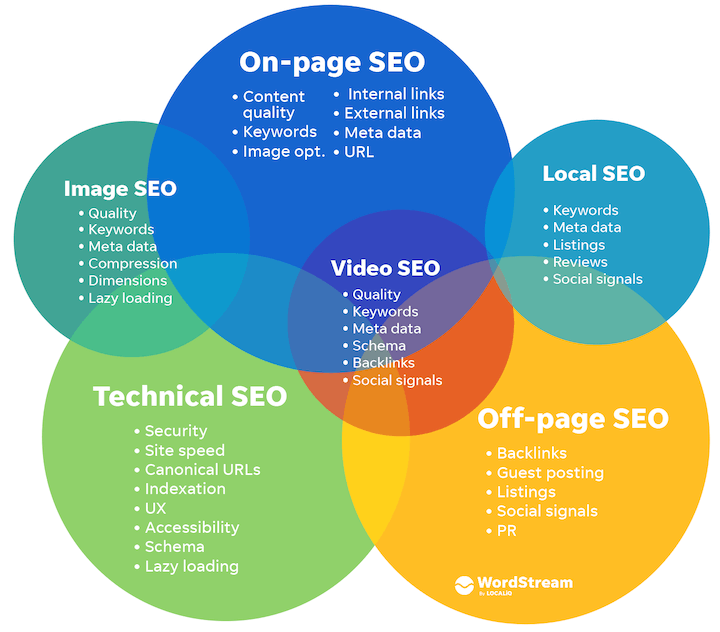
Credit: www.wordstream.com
Frequently Asked Questions
What Is Seo Optimization?
SEO optimization involves improving your website to increase its visibility on search engines. This includes using relevant keywords, optimizing content, and improving technical aspects.
How Do Keywords Affect Seo?
Keywords help search engines understand your content. Using relevant keywords can improve your site’s ranking. Always use keywords naturally within the content.
What Are On-page Seo Techniques?
On-page SEO techniques include optimizing title tags, meta descriptions, headings, and content. These elements help search engines better understand your site.
Why Is Backlinking Important For Seo?
Backlinking increases your site’s authority and credibility. High-quality backlinks from reputable sites can significantly improve your search engine rankings.
Conclusion
Mastering SEO optimization techniques is crucial for online success. Simple, clear strategies boost your visibility. Regularly update and refine your content. Use tools like Writecream to save time. This AI-powered tool enhances content creation and SEO efforts. Optimize keywords, create engaging content, and watch your traffic grow.
Consistency is key. Keep learning, stay updated, and your website will thrive. Happy optimizing!
