

Digital financial services refer to the use of digital technology for financial transactions. They include online banking, mobile wallets, and electronic payments.
In today’s fast-paced world, digital financial services are transforming how we handle money. With just a smartphone or computer, people can transfer funds, pay bills, or even apply for loans. This shift is making financial transactions easier and more accessible.
Understanding digital financial services is crucial as they continue to grow. They offer convenience, security, and speed. Businesses and individuals alike benefit from these services. As we dive deeper into the topic, you’ll see how digital financial services are reshaping the financial landscape. Stay tuned to learn more about this exciting evolution in finance.
Credit: digitalfinance.worldbank.org
Introduction To Digital Financial Services
The world of finance has undergone massive changes in recent years. One of the most significant shifts is the rise of digital financial services. These services have transformed how people handle their money. They offer convenience and accessibility like never before.
Definition And Importance
Digital financial services include all financial transactions done online. This includes banking, payments, and money transfers. They provide an alternative to traditional banking. Digital financial services are essential for many reasons. They offer greater access to financial tools. This is especially true for people in remote areas. They also save time and reduce the need for physical visits to banks.
Another key benefit is security. Digital transactions can be safer than carrying cash. They often have multiple layers of protection. This helps to prevent fraud and theft. Digital financial services also promote financial inclusion. They make it easier for everyone to participate in the economy.
Historical Evolution
Digital financial services have a rich history. They began with the advent of the internet. Early forms included online banking and electronic funds transfer. These innovations changed how people interacted with their banks. Over time, more advanced services emerged.
Mobile banking was a game-changer. It allowed people to manage money from their phones. The rise of smartphones further accelerated this trend. Today, many people use mobile apps for all their banking needs. Digital wallets and cryptocurrencies are the latest innovations. They offer new ways to store and transfer money. The history of digital financial services is a story of constant evolution.
Types Of Digital Financial Services
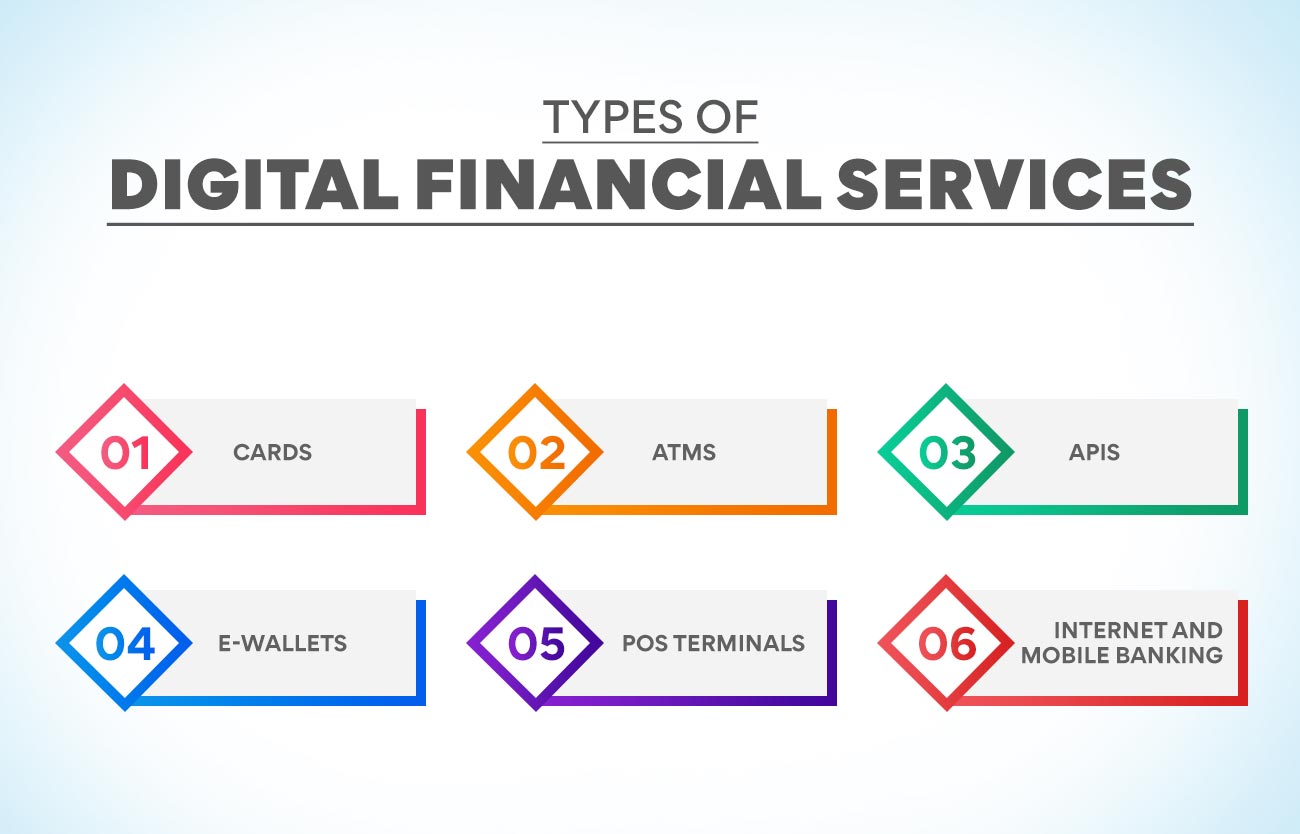
Digital financial services have transformed how we manage money. They offer convenience, speed, and security. In this section, we will explore some common types of digital financial services. Each type plays a unique role in our daily financial activities.
Mobile Banking
Mobile banking allows you to access your bank accounts through your smartphone. With mobile banking apps, you can check your balance, transfer funds, and pay bills. It eliminates the need to visit a physical bank. Many banks now offer advanced features like mobile check deposits. This service is secure and easy to use.
Online Payments
Online payments make it easy to buy goods and services over the internet. You can use credit cards, debit cards, or direct bank transfers. Many websites accept online payments for seamless shopping. Popular platforms like PayPal and Stripe also enable secure transactions. Online payments are fast and widely accepted.
Digital Wallets
Digital wallets store your payment information securely on your device. Examples include Apple Pay, Google Wallet, and Samsung Pay. You can make payments by simply tapping your phone. Digital wallets also store loyalty cards and tickets. They provide a convenient and secure way to carry your money. Many retailers now accept digital wallet payments.
Key Technologies
Digital financial services are transforming the way we handle money. Various technologies power these services, making transactions faster, safer, and more efficient. Here, we explore the key technologies driving digital financial services.
Blockchain
Blockchain technology is a decentralized ledger system. It records transactions across multiple computers. This setup ensures that the recorded information is secure and transparent.
Blockchain offers several benefits:
- Enhanced security
- Reduced fraud
- Lower transaction costs
Cryptocurrencies like Bitcoin use blockchain technology. This technology also underpins smart contracts, which are self-executing contracts with the terms of the agreement directly written into code.
Artificial Intelligence
Artificial Intelligence (AI) plays a crucial role in digital financial services. AI helps analyze vast amounts of data quickly and accurately. This analysis aids in making informed decisions.
AI applications in financial services include:
- Risk assessment
- Fraud detection
- Personalized customer service
Chatbots and virtual assistants are AI-driven tools. They offer customer support and streamline operations. AI also powers robo-advisors, which provide automated, algorithm-driven financial planning services.
Biometrics
Biometrics technology uses unique physical characteristics for identification. Common biometric methods include fingerprint scanning, facial recognition, and iris scanning.
Biometrics enhance security in digital financial services. They offer:
- Improved authentication
- Reduced fraud
- Convenient user experience
Many banks and financial institutions now use biometric authentication. It ensures that only authorized users access sensitive information and conduct transactions.
Credit: www.edureka.co
Benefits Of Digital Financial Services
Digital Financial Services offer numerous benefits that make managing money easier and more accessible. These services are changing how people interact with their finances. Below are some key benefits of Digital Financial Services:
Convenience
Digital Financial Services provide 24/7 access to your accounts. You can check your balance, transfer money, and pay bills anytime. No need to visit a bank branch. Transactions are quick and simple. Use your smartphone or computer from the comfort of your home.
Cost Efficiency
Using Digital Financial Services can save you money. Many online transactions have lower fees compared to traditional banking. Avoid the costs of physical checks and cash handling. Digital services reduce the need for paper, saving you money on postage and materials.
Financial Inclusion
Digital Financial Services help reach the unbanked and underbanked populations. People in remote areas can access financial services via mobile phones. This promotes economic growth and financial stability. Everyone has the opportunity to save, invest, and grow their money.
Challenges And Risks
Digital Financial Services (DFS) have transformed how people manage money. Yet, this transformation brings challenges and risks. Understanding these challenges helps users and providers stay safe.
Cybersecurity
Cybersecurity is a major concern. Hackers target financial data. A breach can lead to data loss and financial theft. Users should use strong passwords. Providers need robust security measures.
Regular updates and security audits can help. Train employees to recognize threats. Encourage users to report suspicious activities.
Regulatory Issues
Regulatory issues in DFS are complex. Different countries have various laws. Compliance is crucial for providers. Non-compliance leads to fines or shutdowns.
Key regulatory challenges:
- Data protection laws
- Anti-money laundering (AML) regulations
- Know Your Customer (KYC) requirements
Providers should stay informed about changes. Regular training for staff is important. Engage with legal experts to ensure compliance.
Digital Divide
The digital divide is a significant barrier. Not everyone has access to digital services. This gap affects rural and low-income communities. They miss out on the benefits of DFS.
Factors contributing to the digital divide:
- Lack of internet access
- Limited digital literacy
- High cost of devices
To bridge this gap, initiatives are necessary. Provide affordable devices and internet access. Offer digital literacy programs to educate users.
Addressing these challenges can make DFS more inclusive and secure.

Credit: global.hitachi-solutions.com
Global Trends
Digital Financial Services (DFS) are transforming the way people access financial resources worldwide. The global trends in DFS highlight significant shifts in adoption rates, regional differences, and innovative solutions.
Adoption Rates
The adoption of Digital Financial Services is growing rapidly. More people are using mobile banking, online payments, and digital wallets. This trend is driven by the increasing availability of smartphones and internet access. Mobile banking is particularly popular, with millions of new users each year. In many countries, people prefer digital transactions over traditional banking methods. This shift is due to the convenience and security provided by DFS.
Regional Differences
Despite the global growth, there are notable regional differences in DFS adoption. In Africa, mobile money services are a major financial tool. Countries like Kenya and Tanzania lead in mobile money usage. In contrast, Europe and North America see higher adoption of online banking and e-commerce payments. These regions have robust internet infrastructure and advanced financial systems. In Asia, countries like China and India are experiencing rapid growth in digital payments. This growth is supported by government initiatives and a tech-savvy population.
Innovative Solutions
Innovation is a key driver of the DFS landscape. New solutions are continuously emerging to meet diverse financial needs. Some notable innovations include:
- Cryptocurrencies: Digital currencies like Bitcoin are gaining popularity for secure transactions.
- Blockchain Technology: Ensures transparent and tamper-proof financial records.
- AI and Machine Learning: Enhance fraud detection and personalized financial services.
- Digital Lending Platforms: Provide quick and easy access to loans without traditional banks.
These innovative solutions are making financial services more accessible and efficient for people worldwide.
Impact On Traditional Banking
The rise of digital financial services has significantly impacted traditional banking. Banks now face various challenges and opportunities due to this shift. Let’s explore how customer behavior, service delivery, and the competitive landscape have changed.
Shift In Customer Behavior
Customers expect quick and easy access to their financial services. They prefer using mobile apps and online platforms rather than visiting bank branches. This shift has led to a decline in branch visits and an increase in digital transactions.
Convenience and speed are now crucial for customers. They want 24/7 access to their accounts and services. This change in behavior has forced banks to innovate and adopt digital solutions to meet customer needs.
Changes In Service Delivery
Banks have had to change how they deliver their services. Digital financial services offer new ways to interact with customers. Online banking, mobile apps, and chatbots are now common.
Here’s a table showing traditional vs digital service delivery:
| Traditional Banking | Digital Financial Services |
|---|---|
| Branch Visits | Mobile Apps |
| Manual Transactions | Automated Payments |
| Face-to-Face Support | Chatbots and Online Help |
Competitive Landscape
The competitive landscape has also changed. Banks now compete with fintech companies and other digital service providers. These new players offer innovative solutions and often have lower costs.
Traditional banks need to adapt to stay competitive. They must invest in technology and improve their digital offerings. Collaboration with fintech companies can also be beneficial.
Here are some key points to consider:
- Increased competition from fintech startups
- Need for digital transformation
- Importance of customer experience
By understanding these changes, banks can better navigate the evolving financial landscape.
Future Of Digital Financial Services
The future of digital financial services is bright and full of potential. Rapid advancements in technology continue to transform how we handle money. From payment methods to investment strategies, digital financial services are evolving swiftly. Let’s explore some emerging technologies, predicted trends, and long-term implications of these changes.
Emerging Technologies
Several technologies are shaping the future of digital financial services:
- Blockchain: This technology offers secure and transparent transactions.
- Artificial Intelligence: AI helps in fraud detection and personalized financial advice.
- Fintech Apps: Mobile apps provide easy access to financial services.
- Quantum Computing: Quantum computers can solve complex financial problems quickly.
Predicted Trends
Industry experts predict several key trends in digital financial services:
- Increased Mobile Payments: More people will use smartphones for payments.
- Rise of Cryptocurrencies: Cryptocurrencies will become more mainstream.
- AI-Driven Customer Service: Chatbots will improve customer interactions.
- Personalized Financial Products: Services will become more tailored to individual needs.
Long-term Implications
The long-term implications of these advancements are significant:
| Aspect | Implications |
|---|---|
| Accessibility | More people will have access to financial services. |
| Security | Enhanced security measures will protect users’ data. |
| Efficiency | Transactions will become faster and more efficient. |
| Cost | Reduced costs for financial transactions and services. |
These changes will make financial services more inclusive and user-friendly. The future of digital financial services promises exciting developments and opportunities for all.
Frequently Asked Questions
What Are Digital Financial Services?
Digital financial services involve using technology to deliver financial products. This includes online banking, mobile payments, and digital wallets. They provide convenience and accessibility.
How Do Digital Financial Services Work?
They use secure digital platforms for transactions. Customers access services via apps or websites. Technology ensures fast and efficient financial operations.
Why Are Digital Financial Services Important?
They offer convenience and accessibility. They help reach underserved populations. They promote financial inclusion and efficiency.
Are Digital Financial Services Secure?
Yes, they use encryption and secure protocols. Regular updates and monitoring ensure safety. Users must follow security best practices.
Conclusion
Digital financial services offer a new way to manage money. They bring convenience and security to our daily transactions. More people can access banking services now than ever before. These services are shaping the future of finance. Understanding their benefits can help us make smarter financial choices.
Stay informed and embrace the digital shift. It’s a step towards a more connected financial world.
