

Shopify and GoDaddy are popular platforms for online businesses. Each offers unique features and benefits.
Comparing Shopify and GoDaddy helps you choose the right platform. Understanding their differences can save time and money. Shopify is a specialized e-commerce platform, ideal for online stores. It offers tools for product management, payments, and shipping. GoDaddy, on the other hand, is a web hosting service that also provides website-building tools.
It is versatile, supporting various types of websites, not just e-commerce. Knowing their strengths and weaknesses helps in making an informed decision. This comparison will highlight key features, pricing, ease of use, and support. By the end, you’ll know which platform suits your business needs.
Platform Basics
Understanding the basics of Shopify and GoDaddy can help you choose the right platform for your needs. Each has unique features that cater to different types of users. Let’s explore what sets them apart.
What Is Shopify?
Shopify is a platform designed for creating online stores. It offers tools to build, customize, and manage your store. Users can sell products, track inventory, and process payments. Shopify also provides various themes and apps to enhance your store’s functionality.
Shopify targets businesses of all sizes. Its user-friendly interface makes it easy for beginners. Advanced users can access more sophisticated tools. Shopify also supports multiple sales channels, like social media and online marketplaces.
What Is Godaddy?
GoDaddy is a web hosting and domain registration service. It helps users create websites and manage their online presence. GoDaddy offers various hosting plans to suit different needs. It also provides website-building tools for beginners.
GoDaddy is best known for its domain registration services. It allows users to find and purchase domain names easily. GoDaddy also offers email hosting, SSL certificates, and other online services. The platform aims to support small businesses and individuals.
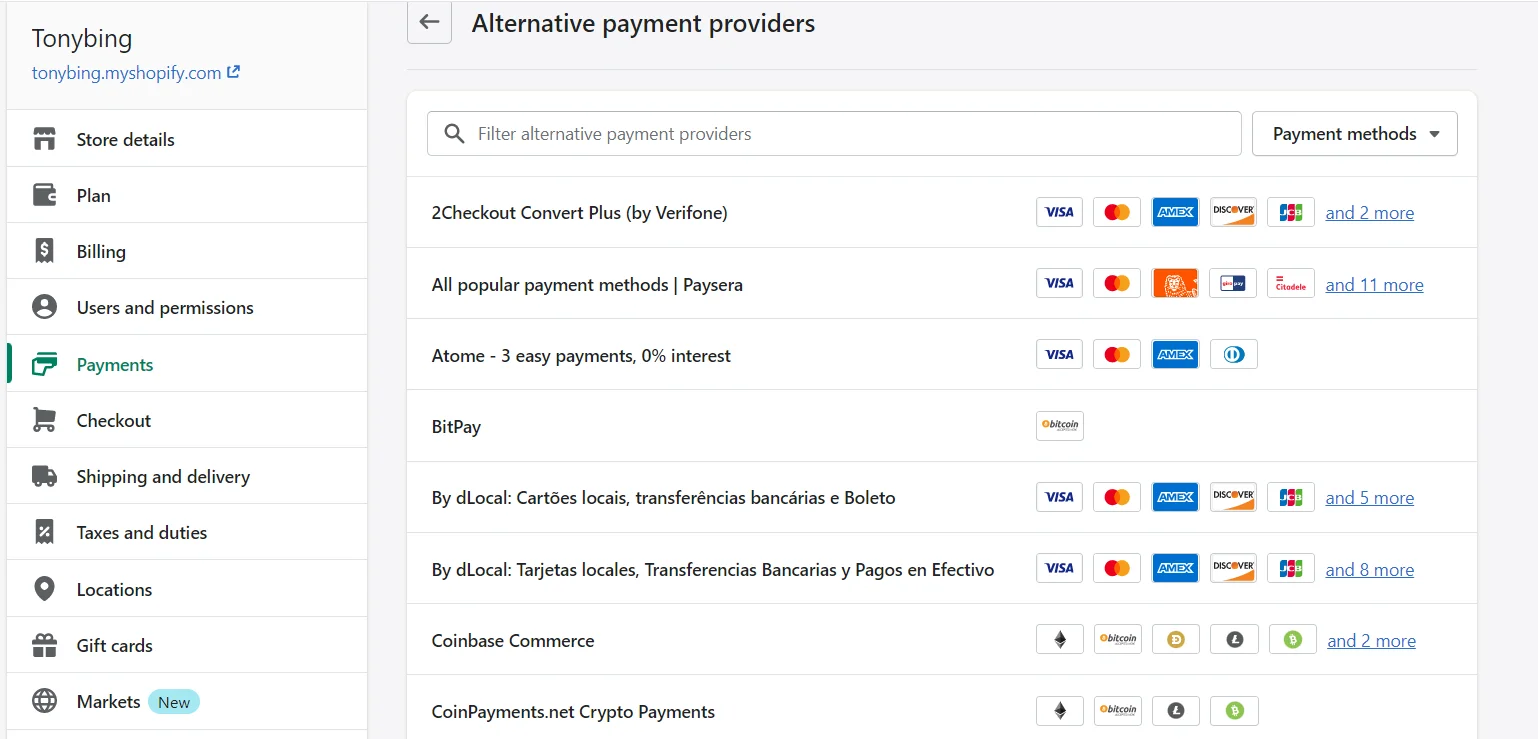
Credit: litextension.com
Pricing
Pricing is one of the most important factors to consider when choosing a platform for your online store. Both Shopify and GoDaddy offer various pricing plans tailored to different needs and budgets. Understanding these pricing plans can help you make an informed decision.
Shopify Pricing Plans
Shopify offers a range of pricing plans designed to cater to different business sizes and needs. Here is a breakdown of the main plans:
| Plan | Monthly Cost | Features |
|---|---|---|
| Basic Shopify | $29 |
|
| Shopify | $79 |
|
| Advanced Shopify | $299 |
|
Shopify also offers a 14-day free trial, allowing you to explore its features before committing to a plan. The plans are scalable, meaning you can upgrade as your business grows.
Godaddy Pricing Plans
GoDaddy provides a variety of pricing plans for its website builder, including eCommerce options. Here are the details of their main plans:
| Plan | Monthly Cost | Features |
|---|---|---|
| Basic | $9.99 |
|
| Standard | $14.99 |
|
| Premium | $19.99 |
|
| eCommerce | $24.99 |
|
GoDaddy also offers a one-month free trial, so you can test the platform before deciding on a plan. The plans are flexible, allowing you to switch as your business needs change.
Ease Of Use
Choosing the right e-commerce platform is crucial for online business success. Ease of use is a key factor to consider. Let’s break down the user experience for Shopify and GoDaddy.
Shopify User Experience
Shopify is known for its intuitive interface. Even beginners can set up a store quickly. The dashboard is clean and simple. You can easily find all the tools you need. Adding products and managing inventory is straightforward. Shopify offers a drag-and-drop editor for customizing your store. No coding skills are required. The platform also provides detailed tutorials and 24/7 support.
Here’s a quick overview of Shopify’s user-friendly features:
- Drag-and-drop editor
- 24/7 customer support
- Comprehensive tutorials
- Clean dashboard
Godaddy User Experience
GoDaddy also aims to be easy to use. It offers a simple setup process. The platform includes a website builder with a drag-and-drop feature. This makes customizing your store easy. However, GoDaddy’s interface is less refined than Shopify’s. Users might find it a bit cluttered. Still, it provides helpful tools and support options.
Key features of GoDaddy’s user experience include:
- Drag-and-drop website builder
- Simple setup process
- Support resources
- User-friendly tools
Here’s a comparison table for a quick glance:
| Feature | Shopify | GoDaddy |
|---|---|---|
| Drag-and-Drop Editor | Yes | Yes |
| 24/7 Support | Yes | Limited |
| Clean Dashboard | Yes | No |
Credit: www.whitepeakdigital.com
Features
When choosing between Shopify and GoDaddy for your website, understanding their features is crucial. Each platform offers unique tools and capabilities. Let’s explore these features in detail.
Shopify Features
Shopify is a robust e-commerce platform. It offers numerous features to help you build and manage your online store.
- Comprehensive Store Management: Shopify provides tools for inventory, order tracking, and customer management.
- Customizable Themes: You can choose from a wide range of themes. Customize them to match your brand.
- Mobile Optimization: All themes are mobile-friendly, ensuring a seamless experience on all devices.
- Payment Gateway Integration: Shopify supports multiple payment gateways. This includes PayPal, Stripe, and more.
- App Store: Access to a vast app store allows you to add extra functionality. Apps for marketing, SEO, and analytics.
Godaddy Features
GoDaddy is known for its domain registration services. It also offers website building tools and hosting services.
- Website Builder: GoDaddy’s website builder is user-friendly. Ideal for beginners with no coding skills.
- Domain Registration: Register and manage your domain names easily. Bundle them with your website plan.
- Email Marketing: Integrated email marketing tools help you reach your audience effectively.
- 24/7 Customer Support: Get help anytime through their reliable support system.
- SEO Tools: Built-in SEO tools help improve your website’s search engine ranking.
Both platforms have their strengths. Shopify excels in e-commerce while GoDaddy offers simplicity and domain management.
Customization
Customization is crucial for any online store. It allows businesses to create a unique and engaging shopping experience. Both Shopify and GoDaddy offer customization options, but they differ significantly. Let’s explore the customization capabilities of each platform.
Shopify Customization Options
Shopify provides extensive customization options for your online store. You can choose from a variety of themes, both free and paid. These themes are highly customizable, allowing you to change colors, fonts, and layouts easily.
Shopify also offers a drag-and-drop builder. This tool simplifies the customization process. You can add, remove, or rearrange elements on your site without coding skills.
For advanced users, Shopify’s Liquid language enables deeper customization. You can modify the HTML and CSS of your theme. This allows for a highly personalized online store.
Additionally, Shopify boasts a vast app store. These apps extend your store’s functionality. You can integrate features like email marketing, customer reviews, and social media sharing.
Godaddy Customization Options
GoDaddy provides basic customization options through its Website Builder. You can select from various templates. These templates can be customized by changing colors, fonts, and images.
GoDaddy’s builder is user-friendly. It uses a drag-and-drop interface, making it easy to design your site. No coding skills are needed.
However, GoDaddy offers fewer customization options compared to Shopify. The templates are less flexible. Advanced customization requires knowledge of HTML and CSS.
GoDaddy also has a smaller app marketplace. The available apps are useful but limited. They offer basic functionalities like SEO tools, social media links, and contact forms.
Here’s a comparison table to summarize the customization options:
| Feature | Shopify | GoDaddy |
|---|---|---|
| Themes | Extensive, highly customizable | Basic, less flexible |
| Drag-and-Drop Builder | Yes | Yes |
| Advanced Customization | Liquid language | Limited, requires HTML/CSS |
| App Marketplace | Vast, diverse apps | Limited, basic apps |
Credit: litextension.com
E-commerce Capabilities
When it comes to building an online store, understanding e-commerce capabilities is crucial. This section compares the tools offered by Shopify and GoDaddy. Both platforms have distinct features that cater to different business needs. Let’s dive into the specifics of their e-commerce tools.
Shopify E-commerce Tools
Shopify offers a robust suite of e-commerce tools. It includes a wide range of customizable templates. You can create a store that fits your brand. Shopify’s inventory system is advanced. It allows easy tracking of stock levels. You can also manage products efficiently. Payment gateways are varied. Shopify supports over 100 payment options. This helps in catering to a global audience.
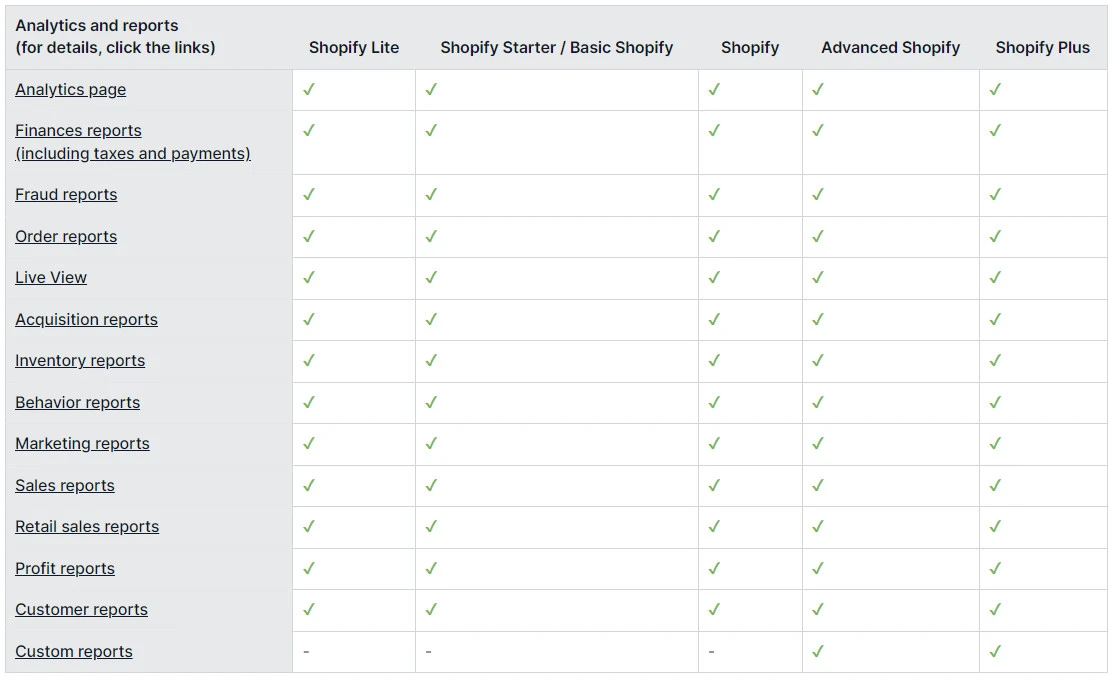
Shopify’s marketing tools are extensive. It includes SEO features, email marketing, and social media integrations. The platform offers detailed analytics. Store owners can gain insights into their sales performance. Shopify also supports mobile commerce. This ensures your store looks great on all devices. The app store offers additional features. You can expand your store’s functionality with ease.
Godaddy E-commerce Tools
GoDaddy provides a simpler set of e-commerce tools. It is ideal for small businesses. The platform offers easy-to-use templates. You can quickly set up your store. GoDaddy’s inventory management is straightforward. It helps in basic stock tracking. Payment options are fewer. It supports major gateways like PayPal and Stripe.
GoDaddy includes essential marketing tools. You get basic SEO features and email marketing. Social media integration is available too. The analytics are simple. They offer essential insights into sales and traffic. GoDaddy supports mobile responsiveness. Your store will look good on any device. The platform has fewer add-ons. But it covers all basic e-commerce needs.
Support And Resources
When comparing Shopify and GoDaddy, it’s vital to understand their support and resources. Both platforms offer different types of help and guidance. This can be a deciding factor for many users.
Shopify Support
Shopify is known for its excellent customer support. They offer 24/7 support through various channels:
- Email support
- Live chat
- Phone support
- Social media support
In addition to direct support, Shopify provides a vast library of resources. These include:
- Video tutorials
- Community forums
- Help center articles
- Webinars
These resources help users solve problems and learn about the platform.
Godaddy Support
GoDaddy also provides strong customer support. They offer:
- 24/7 phone support
- Live chat
- Email support
GoDaddy has a range of resources for users. These include:
- Help articles
- Video tutorials
- Community forums
These resources are valuable for troubleshooting and learning.
In summary, both Shopify and GoDaddy offer robust support and resources. Users can find help through various channels and resources.
Frequently Asked Questions
What Are Shopify And Godaddy?
Shopify is an e-commerce platform for online stores. GoDaddy is a web hosting and domain registration service. Both offer tools for website creation, but they serve different primary purposes.
Can I Use Shopify With Godaddy?
Yes, you can use Shopify with GoDaddy. You can register your domain with GoDaddy and link it to your Shopify store. This allows you to manage domain and hosting separately.
Which Is Better For E-commerce, Shopify Or Godaddy?
Shopify is better for e-commerce. It offers comprehensive tools specifically for online stores. GoDaddy is more focused on domain registration and web hosting.
Does Godaddy Offer E-commerce Solutions?
Yes, GoDaddy offers e-commerce solutions. However, its e-commerce features are not as advanced as Shopify’s. Shopify provides more specialized tools for online selling.
Conclusion
Choosing between Shopify and GoDaddy depends on your business needs. Shopify excels in e-commerce features. GoDaddy offers robust domain services. Both platforms have strengths, but different focuses. Shopify suits online stores best. GoDaddy is ideal for domain management. Evaluate your goals carefully.
Look at pricing, features, and ease of use. Make sure to pick the right platform for your business. Your choice will impact your success. Explore both options thoroughly. Then decide what aligns with your vision.
