

Shopify and Etsy are popular platforms for selling online. Each has unique features that cater to different needs.
Deciding whether to use Shopify or Etsy depends on your business goals. Shopify offers a customizable online store, perfect for building your own brand. Etsy, on the other hand, is a marketplace for handmade and vintage items, attracting a specific audience.
Understanding the differences between these platforms is essential. It helps you choose the best fit for your products and business model. In this blog post, we will explore the key distinctions. This will guide you in making an informed decision for your online selling journey. Stay tuned as we dive deeper into Shopify and Etsy, highlighting their strengths and weaknesses.
Introduction To E-commerce Platforms
E-commerce platforms have transformed how people buy and sell goods. They offer the tools and features needed to set up and run an online store. Two popular e-commerce platforms are Shopify and Etsy. Each serves different needs and business types. Understanding their differences helps you choose the right one for your business.
Defining Shopify And Etsy
Shopify is a comprehensive e-commerce platform. It allows users to create their own online stores. Users can customize their stores with various themes and apps. Shopify supports a wide range of products and services. It’s suitable for businesses of all sizes.
Etsy is a marketplace for handmade, vintage, and unique goods. It connects sellers with buyers who appreciate artisanal products. Etsy handles many of the technical aspects, making it easy for sellers to list their items. It’s ideal for individual crafters and small businesses.
Popularity And Usage
| Platform | Popularity | Usage |
|---|---|---|
| Shopify | Over 1.75 million businesses use Shopify. It is popular among retailers and brands. | Shopify is used for creating custom online stores. It serves diverse industries and product types. |
| Etsy | Etsy has over 4.3 million active sellers. It is famous for handmade and vintage items. | Etsy is used by artisans and small businesses. It is a marketplace for unique and creative goods. |
Choosing between Shopify and Etsy depends on your business needs. Shopify offers more customization and control. Etsy is perfect for niche products and small-scale sellers.
Business Models
Understanding the business models of Shopify and Etsy is essential for entrepreneurs. Each platform offers unique features and caters to different needs. Let’s dive deeper into how these models work.
Shopify’s Model
Shopify operates on a subscription-based model. This means you pay a monthly fee to use the platform. You can choose from different plans based on your business needs.
Key features include:
- Customizable online store
- Wide range of apps and plugins
- Payment gateway integration
- 24/7 customer support
Shopify allows you to create a fully branded online store. You have complete control over the design and functionality. This is ideal for businesses looking to establish a unique online presence.
Here is a summary of Shopify’s main plans:
| Plan | Monthly Cost | Features |
|---|---|---|
| Basic | $29 | All basic features for a small store |
| Shopify | $79 | Advanced features for growing businesses |
| Advanced | $299 | Comprehensive features for larger businesses |
Etsy’s Model
Etsy is a marketplace for handmade, vintage, and unique goods. Unlike Shopify, Etsy does not charge a monthly subscription fee. Instead, sellers pay fees based on their sales and listings.
Key features include:
- Built-in audience
- Easy-to-use interface
- Low upfront costs
- Community support
Etsy charges a listing fee of $0.20 per item. Additionally, a transaction fee of 5% is applied to each sale. This model is suitable for small-scale sellers and hobbyists.
Here is a breakdown of Etsy’s fees:
| Fee Type | Cost |
|---|---|
| Listing Fee | $0.20 per item |
| Transaction Fee | 5% of sale price |
| Payment Processing Fee | 3% + $0.25 per transaction |
Etsy’s model is perfect for those who want to test the waters of e-commerce without a significant investment. The platform’s focus on unique and handmade items attracts a niche audience.
Product Offerings
Choosing between Shopify and Etsy often depends on the products you want to sell. Both platforms cater to different seller needs and product types. Understanding their differences can help you make the right choice for your business.
Types Of Products On Shopify
Shopify allows a wide range of products. Sellers can offer physical goods like clothing, electronics, and home decor. Digital products such as e-books, music files, and software are also popular. Some merchants sell services, including consulting and online courses. This flexibility makes Shopify suitable for many business models.
Types Of Products On Etsy
Etsy focuses on handmade items, vintage goods, and craft supplies. Sellers often list jewelry, art, and custom clothing. Vintage items must be at least 20 years old. Craft supplies include materials like beads, fabric, and tools. Etsy is ideal for artisans and crafters looking to reach a niche audience.

Credit: teeinblue.com
Customization And Design
When choosing between Shopify and Etsy, Customization and Design play a vital role. Each platform offers unique features to tailor your online store’s look and feel. Let’s delve into the specifics of what each platform provides.
Shopify Customization Options
Shopify offers extensive design flexibility. Users can choose from various themes that cater to different business needs. These themes are fully customizable, allowing you to change colors, fonts, and layouts.
- Drag-and-drop builder: Easily modify your store without coding skills.
- Third-party apps: Enhance functionality with various integrations.
- Custom code: Advanced users can edit HTML and CSS for a unique touch.
With Shopify, you can create a unique brand identity. The platform supports high-quality images and videos, ensuring your products look their best.
Etsy Customization Options
Etsy offers limited customization compared to Shopify. The platform provides a more standardized look for all shops. Users can make basic changes to their store’s appearance.
- Shop Banner: Upload a banner to represent your brand.
- Shop Icon: Add a logo to your store.
- Sections: Organize products into different sections.
Etsy does not support custom coding. This makes it less flexible but simpler for beginners. The focus remains on product listings and easy navigation for customers.
| Feature | Shopify | Etsy |
|---|---|---|
| Design Flexibility | High | Low |
| Customization | Extensive | Basic |
| Custom Code | Available | Not Available |
| Third-Party Apps | Many | Few |
Fees And Pricing
Understanding the fees and pricing structure of Shopify and Etsy is essential for any seller. Both platforms have different models which can impact your profit margins.
Shopify Pricing Structure
Shopify offers a subscription-based pricing model. This means you pay a monthly fee to use their platform. Here are the main plans:
- Basic Shopify: $29 per month
- Shopify: $79 per month
- Advanced Shopify: $299 per month
Each plan includes different features. The higher the plan, the more advanced the features. You also pay transaction fees unless you use Shopify Payments.
With Shopify Payments, the fees are:
- 2.9% + 30¢ per transaction for Basic Shopify
- 2.6% + 30¢ per transaction for Shopify
- 2.4% + 30¢ per transaction for Advanced Shopify
Shopify also offers a 14-day free trial. This lets you explore the platform before committing.
Etsy Fees Explained
Etsy charges fees differently. You don’t pay a monthly subscription fee, but there are various other fees to consider:
- Listing Fee: $0.20 per item
- Transaction Fee: 6.5% of the total sale
- Payment Processing Fee: 3% + $0.25 (for U.S. sellers)
These fees can add up, especially if you sell many items. Etsy also offers an optional subscription called Etsy Plus. This costs $10 per month and provides extra tools and perks.
Here’s a quick comparison of the fees:
| Fee Type | Shopify | Etsy |
|---|---|---|
| Monthly Subscription | $29 – $299 | N/A |
| Transaction Fee | 2.9% – 2.4% | 6.5% |
| Payment Processing Fee | 2.9% + 30¢ | 3% + $0.25 |
| Listing Fee | N/A | $0.20 per item |
Understanding these fees can help you decide which platform suits your business best.

Credit: blog.adnabu.com
Seller Support And Resources
Choosing the right platform for your online store can be challenging. Seller support and resources are key factors to consider. Both Shopify and Etsy offer various support options to help sellers thrive. Let’s explore the seller support and resources available on each platform.
Support Offered By Shopify
Shopify provides 24/7 customer support for its users. Sellers can reach out via chat, email, or phone. Shopify’s Help Center is another valuable resource. It contains articles, guides, and tutorials on various topics. These include setting up your store, marketing tips, and troubleshooting issues.
Shopify also has a community forum where sellers can connect. They share experiences and solutions with each other. Shopify Experts is another feature. It connects sellers with professionals for help with design, marketing, and development. This can be useful for those needing extra assistance.
Resources Available On Etsy
Etsy offers a range of resources to help sellers succeed. The Etsy Seller Handbook is a comprehensive guide. It covers topics like shop policies, SEO, and customer service. Etsy also provides educational videos and tutorials.
Sellers can join the Etsy Community. This forum allows sellers to ask questions and share advice. Etsy also has a support team available. Sellers can contact them through chat, email, or phone. Etsy’s support is not 24/7, but it is still helpful.
Etsy also offers Etsy Teams. These are groups of sellers who connect based on location or interests. They offer support, collaboration, and networking opportunities.
Market Reach
Understanding the market reach of Shopify and Etsy is crucial for sellers. Each platform offers unique advantages based on their audience and global reach. This section explores the scope and target audience of both platforms.
Shopify’s Global Reach
Shopify serves a global market. Merchants can sell to customers around the world. This platform supports multiple languages and currencies. Sellers can customize their store to appeal to different regions.
Shopify offers various payment gateways. This makes it easier for international customers to make purchases. The platform also integrates with major shipping carriers. As a result, delivering products worldwide is streamlined.
Here are some key points about Shopify’s global reach:
- Supports multiple languages and currencies
- Offers various payment gateways
- Integrates with major shipping carriers
- Customizable stores for different regions
Etsy’s Target Audience
Etsy focuses on a niche market. The platform attracts buyers interested in handmade, vintage, and unique items. Sellers on Etsy often target customers who appreciate craftsmanship and originality.
Etsy has a strong community aspect. The platform encourages interaction between buyers and sellers. This builds trust and loyalty among customers. Etsy is popular in North America and Europe, but it is growing in other regions too.
Here are some key points about Etsy’s target audience:
- Focuses on handmade, vintage, and unique items
- Attracts customers who appreciate craftsmanship
- Encourages interaction between buyers and sellers
- Strong presence in North America and Europe
User Experience
Understanding the user experience on different platforms is crucial for online sellers. Shopify and Etsy offer unique experiences for both vendors and customers. Let’s explore the user interfaces of both platforms to see how they compare.
Shopify User Interface
Shopify offers a clean and customizable user interface. The dashboard is intuitive and easy to navigate. Beginners can set up their online store quickly.
- Customizable themes: Shopify provides a range of free and paid themes. These themes help sellers create a unique storefront.
- Drag-and-drop editor: A simple drag-and-drop editor allows users to build their site without coding knowledge.
- Mobile-friendly: The platform is optimized for mobile use. This ensures a seamless experience for users on the go.
Shopify’s design flexibility and user-friendly tools make it a favorite for many sellers.
Etsy User Interface
Etsy focuses on ease of use, especially for small businesses and artisans. The setup process is straightforward and quick.
- Predefined templates: Etsy offers simple templates that require minimal customization.
- Seller dashboard: The dashboard is easy to navigate. It provides essential tools for managing listings and orders.
- Community focus: Etsy has a strong community aspect. Sellers can join teams and forums to share tips and support.
While Etsy’s interface is less customizable, it is perfect for those wanting a quick and easy setup.
| Feature | Shopify | Etsy |
|---|---|---|
| Customization | High | Low |
| Ease of Use | Moderate | High |
| Community Support | Moderate | High |
Both platforms cater to different needs. Shopify offers customization, while Etsy focuses on simplicity and community.
Marketing And Promotion Tools
Marketing and promotion tools are essential for any online seller. They help attract customers and boost sales. Shopify and Etsy offer different tools for marketing and promotion. Understanding these differences can help you decide which platform suits your needs best.
Shopify Marketing Features
Shopify offers various marketing tools to help you grow your business. You can create email campaigns directly from your Shopify dashboard. This makes it easy to keep your customers informed about new products and sales.
Social media integration is another key feature. You can connect your store to Facebook, Instagram, and Pinterest. This allows you to sell directly on these platforms and reach a wider audience.
Shopify also provides SEO tools. These help improve your store’s visibility on search engines. You can edit meta tags, add alt text to images, and create custom URLs. This enhances your chances of appearing in search results.
Paid advertising options are available as well. You can run Google Ads and Facebook Ads campaigns straight from Shopify. This simplifies the process of setting up and managing ads.
Etsy Promotion Tools
Etsy focuses on helping sellers within its marketplace. Promoted Listings is a key feature. You pay to have your listings appear at the top of search results. This increases visibility and can lead to more sales.
Etsy Ads allows you to promote your listings across Etsy and external sites. You set a daily budget, and Etsy takes care of the rest. This hands-off approach is great for those new to online advertising.
Etsy also offers social media sharing buttons. You can quickly share your listings on Facebook, Twitter, and Pinterest. This helps spread the word about your products.
Etsy’s marketing tools include discounts and coupons. You can create special offers for your customers. This encourages repeat business and attracts new buyers.
Conclusion And Recommendations
Choosing the right platform for your e-commerce business is crucial. Both Shopify and Etsy offer unique features that cater to different needs. Below, we provide recommendations to help you make an informed decision.
Which Platform To Choose?
Shopify is ideal for those wanting full control over their store. It allows extensive customization and scalability. If branding and growth are your goals, Shopify is a strong choice. You can add multiple products and integrate various tools.
Etsy suits sellers of handmade or vintage items. It provides an existing customer base and simpler setup. If you prefer a community feel and lower startup costs, Etsy may be better. It’s easier for small-scale operations and niche markets.
Final Thoughts
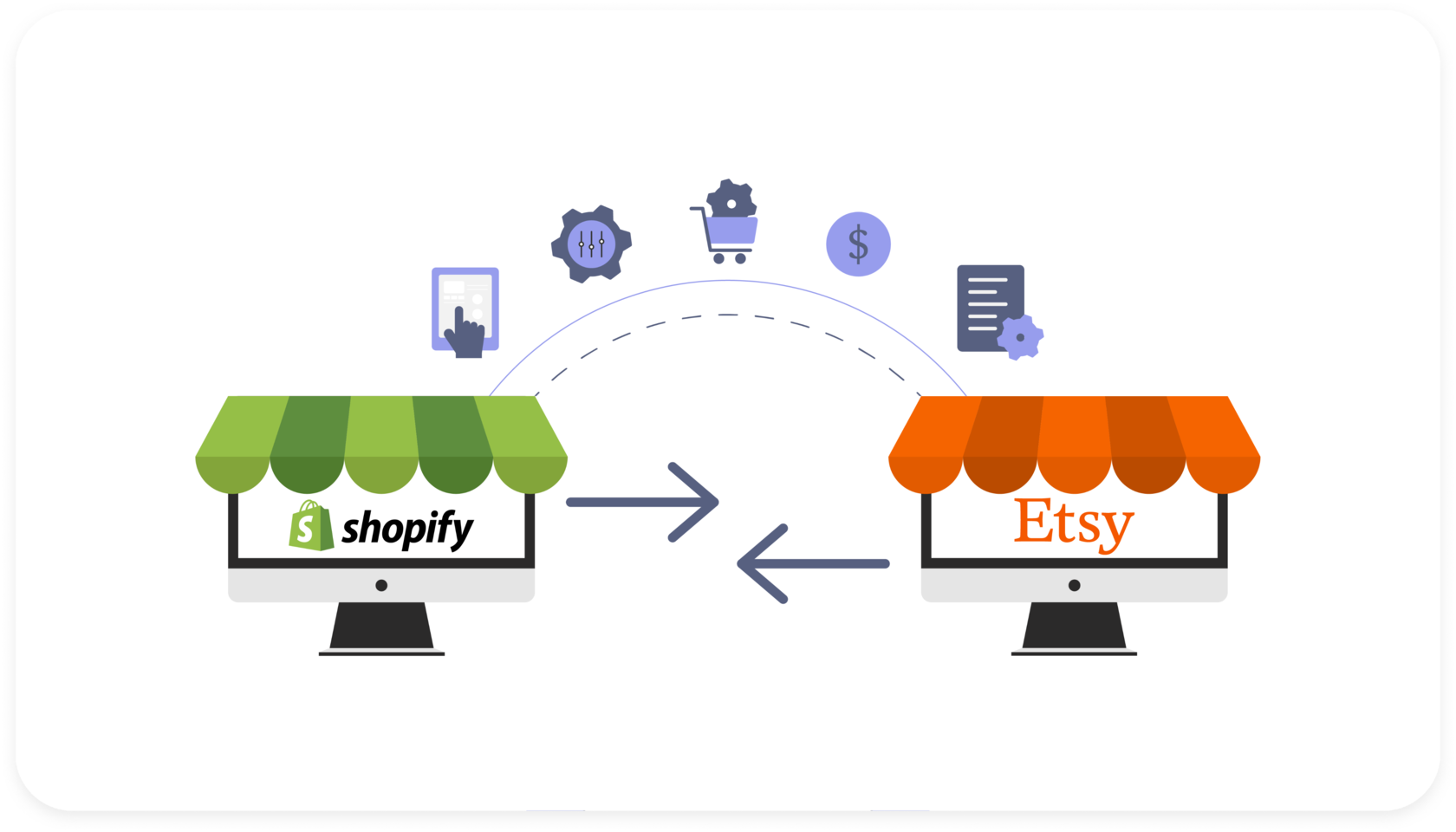
Both platforms have their strengths. Shopify offers control and growth potential. Etsy offers simplicity and community. Assess your business needs and goals before deciding.
Credit: www.alphaservesp.com
Frequently Asked Questions
What Is Shopify?
Shopify is an e-commerce platform that allows businesses to create online stores. It provides tools for managing products, payments, and shipping.
What Is Etsy?
Etsy is an online marketplace focused on handmade, vintage, and unique items. It connects sellers with buyers looking for one-of-a-kind products.
How Do Shopify And Etsy Differ?
Shopify offers customizable online stores for businesses. Etsy provides a marketplace for individual sellers. Shopify focuses on brand building, while Etsy emphasizes unique, handmade items.
Which Is Better For Handmade Items?
Etsy is better for selling handmade items. It has a built-in audience looking for unique and handcrafted products.
Conclusion
Choosing between Shopify and Etsy depends on your business needs. Shopify offers extensive customization and control. Ideal for branded, standalone stores. Etsy provides a ready-made marketplace. Great for handmade or vintage items. Consider costs, features, and your goals. Shopify suits those wanting full control.
Etsy suits those preferring a community. Both have strengths. Your choice impacts your online selling success. Evaluate carefully. Make the right decision for your business. Happy selling!
