

Shopify and Wix are popular platforms for building websites. Both offer unique features tailored to different needs.
Deciding which platform suits you best can be challenging. Shopify is known for its e-commerce capabilities, while Wix excels in website design flexibility. Understanding their differences can help you make an informed choice. In this blog post, we’ll explore what sets Shopify and Wix apart.
We’ll look at their strengths, weaknesses, and best use cases. By the end, you’ll have a clearer idea of which platform aligns with your goals. Whether you want to build an online store or a personal website, this comparison will guide you to the right decision. Let’s dive into the details and find out what makes each platform unique.
Introduction To Shopify And Wix
Shopify and Wix are two popular platforms for building websites. They cater to different needs. Understanding their differences can help you choose the right one for your business.
Brief History
Shopify started in 2006. It was created by Tobias Lütke, Daniel Weinand, and Scott Lake. Shopify was designed to help small businesses create online stores easily.
Wix was founded in 2006 by Avishai Abrahami, Nadav Abrahami, and Giora Kaplan. Wix aimed to offer a user-friendly website builder for everyone, even those without coding skills.
Primary Focus
Shopify focuses on e-commerce. It provides tools for creating and managing online stores. Features include payment gateways, inventory management, and shipping options.
Wix is a versatile website builder. It offers various templates and drag-and-drop features. Wix is suitable for blogs, portfolios, and small business websites. It also supports e-commerce but is not as specialized as Shopify.
To summarize, Shopify is best for dedicated online stores. Wix is ideal for general websites with some e-commerce capabilities.

Credit: www.hotjar.com
Ease Of Use
Choosing between Shopify and Wix can be challenging, especially if ease of use is important to you. Both platforms are designed to be user-friendly, but they cater to different needs. This section will explore the ease of use for both Shopify and Wix, focusing on their user interface and setup process.
User Interface
The user interface is crucial for a smooth experience. Shopify’s interface is clean and professional. It is designed for online stores. The dashboard offers quick access to orders, products, and analytics. This makes navigation straightforward for sellers.
Wix, on the other hand, offers a more versatile interface. It is ideal for various website types. The drag-and-drop builder is intuitive. Users can easily add and arrange elements on their pages. This flexibility makes it appealing for creative projects.
Setup Process
The setup process on Shopify is streamlined for e-commerce. Users start by selecting a theme. They can then add products and set up payment options. The platform offers guided tutorials to help new users. This ensures a quick start for online stores.
Wix offers a simple setup process with a focus on customization. Users begin by choosing a template. They can then customize it using the drag-and-drop builder. Wix also offers an AI-based setup option. This can automatically create a website based on user preferences.
| Feature | Shopify | Wix |
|---|---|---|
| User Interface | Professional, e-commerce focused | Versatile, drag-and-drop builder |
| Setup Process | Streamlined for online stores | Customizable, AI-based option available |
Design And Customization
Design and customization are crucial for any website. They help make your site stand out and match your brand. Shopify and Wix offer different tools and features for design and customization. Let’s dive into the details.
Themes And Templates
Shopify offers a wide range of themes. These themes are professional and mobile-friendly. You can choose from free and paid options. Each theme comes with various styles to match your brand.
Wix provides hundreds of templates. These templates cover many industries and styles. They are also mobile-responsive. You can start with a blank template if you prefer. This gives you more freedom to design from scratch.
Customization Options
Shopify allows you to customize your theme through its editor. You can change colors, fonts, and layout. Shopify also supports custom coding. This is helpful for advanced users who want more control.
Wix offers a drag-and-drop editor. You can move elements around easily. No coding skills are needed. Wix also provides a variety of apps and widgets. These can add more features to your site.
E-commerce Features
Choosing the right platform for your online store is crucial. Two popular options, Shopify and Wix, offer different e-commerce features. Understanding these features can help you decide which platform suits your needs better.
Product Management
Shopify offers advanced product management tools. You can easily add, edit, and organize products. It supports unlimited products, which is great for large inventories. Shopify also allows you to manage product variants, such as size and color, with ease.
Wix provides a user-friendly interface for product management. You can add product images, descriptions, and pricing. Wix supports product options and variants but is more suited for smaller inventories. It is perfect for businesses just starting.
Payment Gateways
Shopify supports over 100 payment gateways, including PayPal, Stripe, and Apple Pay. This gives customers many payment options. Shopify Payments, its own gateway, offers lower transaction fees and better integration.
Wix supports fewer payment gateways. It offers integration with PayPal, Stripe, and a few others. Wix Payments, its built-in gateway, is simple to set up but has fewer features. This makes it suitable for smaller businesses with basic payment needs.
| Feature | Shopify | Wix |
|---|---|---|
| Product Management | Advanced, suitable for large inventories | User-friendly, ideal for small inventories |
| Payment Gateways | Supports over 100 options | Limited options, basic needs |
Seo And Marketing Tools
SEO and marketing tools are crucial for any online store. They help attract customers, improve visibility, and drive sales. Shopify and Wix both offer unique features to enhance your store’s online presence.
Seo Capabilities
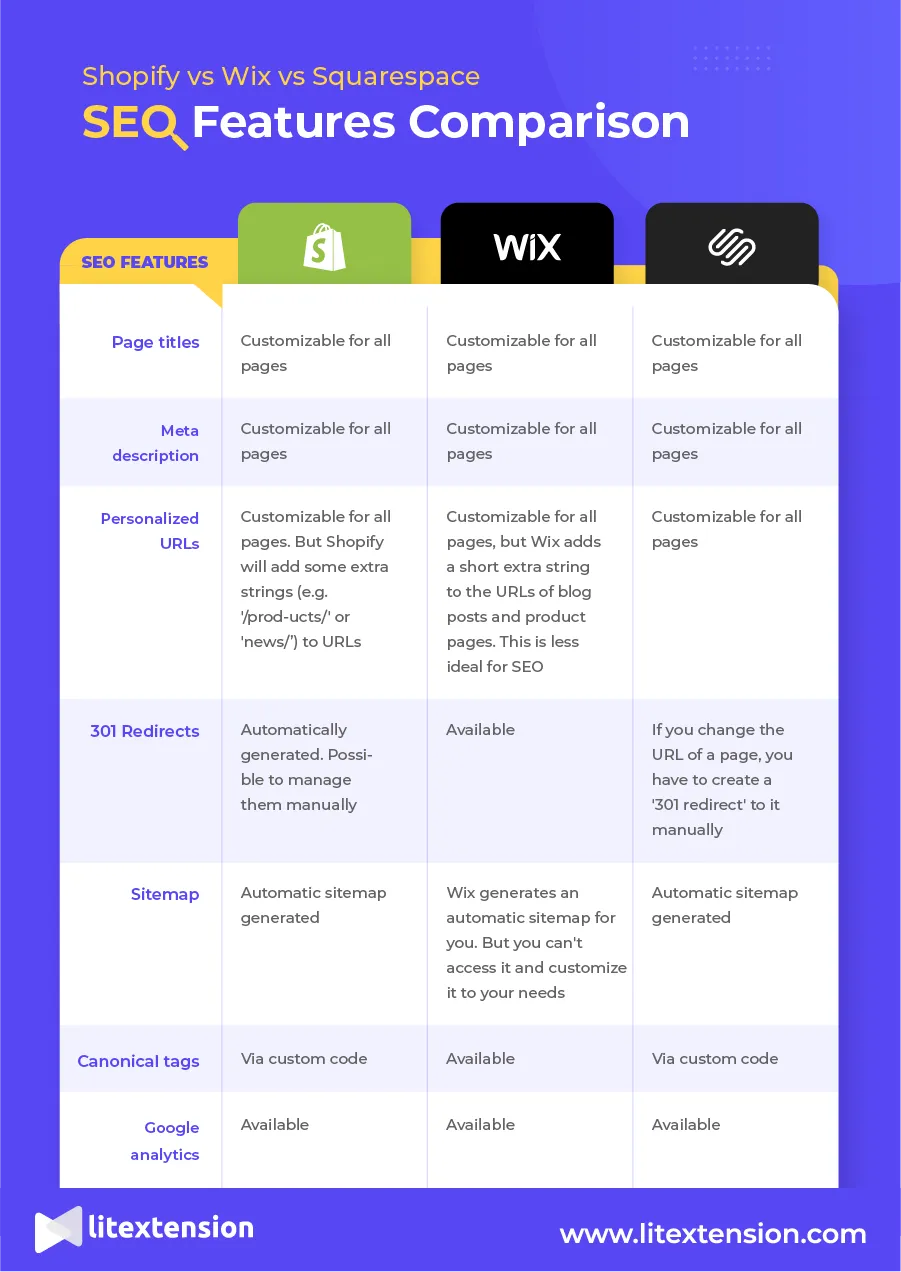
Shopify provides robust SEO features. You can easily edit meta tags, alt text, and URLs. It also offers an auto-generated sitemap, making indexing easier for search engines. Additionally, Shopify’s mobile-friendly design ensures your store looks good on any device.
Wix also offers strong SEO tools. You can edit meta tags, URLs, and alt text. Wix provides an SEO wizard that guides you through optimization. Its sites are mobile-responsive, ensuring a smooth user experience on all devices.
Marketing Integrations
Shopify excels with marketing integrations. It connects with various email marketing tools like Mailchimp and Klaviyo. You can also integrate social media platforms like Facebook and Instagram. This helps you reach your audience where they spend time online.
Wix offers a range of marketing integrations too. It connects with email marketing tools like Ascend and Mailchimp. Wix integrates with social media platforms, helping you engage with your audience effectively. It also offers built-in marketing tools, such as email campaigns and social posts.
Credit: litextension.com
Pricing Plans
When choosing between Shopify and Wix, understanding their pricing plans is crucial. Each platform offers various plans to cater to different needs. Let’s break down the cost and value they provide.
Cost Comparison
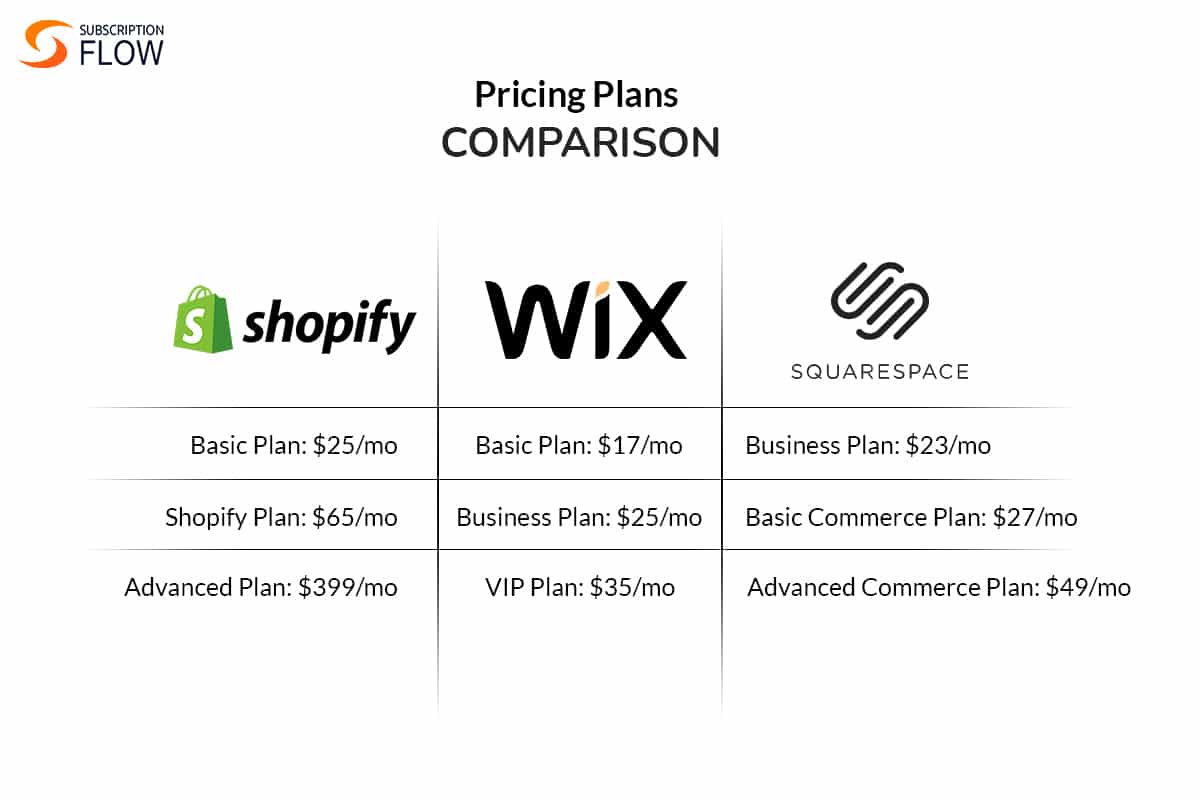
Shopify offers three main pricing plans: Basic Shopify, Shopify, and Advanced Shopify. These plans range from $29 to $299 per month. The higher the plan, the more features you get.
Wix also has tiered pricing. Their Business Basic, Business Unlimited, and Business VIP plans range from $23 to $49 per month. Each plan includes different levels of features and support.
Value For Money
Shopify’s higher prices come with advanced e-commerce features. These include professional reports, advanced shipping, and lower transaction fees. For those serious about online selling, these features can be invaluable.
Wix, on the other hand, offers great value for smaller businesses. Their lower-cost plans include essential e-commerce tools. This makes Wix a good choice for those starting small.
Both platforms offer free trials. This allows you to test their features before committing to a plan. It’s essential to consider your business needs and budget when choosing between Shopify and Wix.
Customer Support
Customer support is a critical aspect to consider when choosing an e-commerce platform. Both Shopify and Wix offer various support options to help users. Understanding these options can help you make an informed decision.
Support Channels
Shopify provides 24/7 support through multiple channels. These include:
- Live chat
- Phone
- Social media
This ensures that you can get help whenever you need it. The live chat feature is particularly useful for immediate assistance.
Wix also offers various support channels, such as:
- Phone support (during business hours)
- Support tickets
- Social media
While Wix provides phone support, it is not available 24/7. This can be a limitation if you need help outside of business hours.
Community Resources
Both platforms have strong community resources to help users.
Shopify has an extensive community forum. Here, users can ask questions and share tips. The forum is active and well-moderated. Shopify also provides detailed documentation and tutorials. These resources cover a wide range of topics.
Wix also boasts a helpful community forum. Users can find answers to common questions and share advice. Wix offers a comprehensive help center with guides and tutorials. These resources are easy to follow and cover many aspects of using Wix.
Both Shopify and Wix provide robust support options. The choice depends on your specific needs and preferences. Consider the availability of support channels and the quality of community resources when making your decision.
Pros And Cons
Choosing the right platform for your online store is crucial. Shopify and Wix are popular choices, each with its pros and cons. Understanding these can help you decide which platform suits your needs best.
Advantages Of Shopify
Shopify offers a range of professional themes. These themes are mobile-friendly and customizable. This ensures your store looks great on any device.
Shopify supports a vast number of payment gateways. This means you can offer multiple payment options to your customers. It also provides advanced inventory management. You can track and manage your stock with ease.
Shopify has built-in SEO features. These tools help improve your store’s visibility on search engines. It also offers excellent customer support. You can get help 24/7 through various channels.
Advantages Of Wix
Wix is user-friendly. Its drag-and-drop builder makes it easy to create a site. You don’t need any coding skills to get started.
Wix offers a variety of templates. These templates are visually appealing and cater to different industries. It also provides free hosting. This means you can save on additional hosting costs.
Wix includes built-in SEO tools. These tools help you optimize your site for search engines. It also offers a free plan. This is a great way to start without any initial investment.
Credit: www.subscriptionflow.com
Frequently Asked Questions
What Is Shopify?
Shopify is a leading e-commerce platform. It helps businesses create online stores. It offers various tools for sales, marketing, and payments.
What Is Wix?
Wix is a versatile website builder. It’s known for its drag-and-drop interface. It allows users to create various types of websites easily.
Which Is Better For E-commerce?
Shopify is better for dedicated e-commerce. It has advanced sales tools and scalability. Wix is more general and less specialized.
Can Wix Handle Online Stores?
Yes, Wix can handle online stores. However, it’s better for small to medium businesses. Shopify is more robust for larger stores.
Conclusion
Choosing between Shopify and Wix depends on your business needs. Shopify is ideal for larger, product-focused stores. Wix suits smaller, content-rich websites. Both platforms offer user-friendly designs. Consider your budget and specific requirements. Ease of use, features, and cost are key factors.
Evaluate what aligns with your goals. Whether you need robust e-commerce tools or versatile site-building options, there’s a solution. Make an informed decision. Start building your online presence today.
